
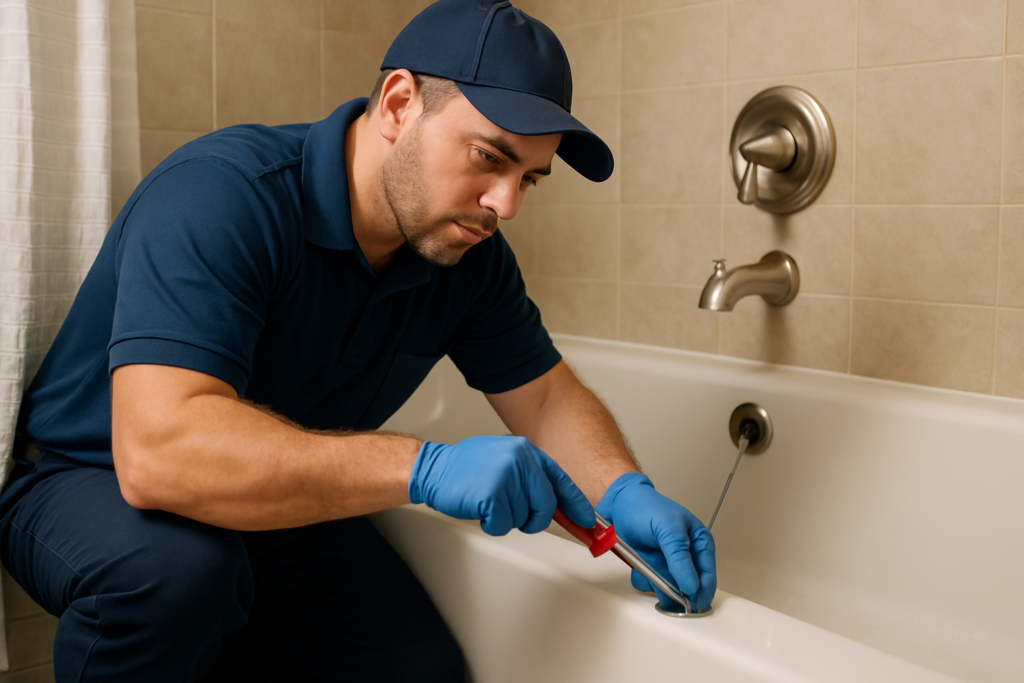
Slow draining bathtub causes and fixes are among the most common plumbing search topics in Tampa and across Hillsborough County. The area’s unique combination of humid climate, frequent storms, and coastal water creates an environment where bathtub clogs arise more often than you might expect. If you’re noticing standing water after a shower or your tub takes unusually long to empty, you’re not alone. This problem can lead to unpleasant odors and bigger plumbing headaches if left unchecked. Let’s help Tampa homeowners diagnose, solve, and prevent slow drains with local expertise and actionable fixes tailored to the Bay area’s needs.
- Quick Checklist
- Understanding the Root Causes of Slow Draining Bathtubs in Tampa
- Tampa Home Solutions: Slow Draining Bathtub Causes and Fixes
- How Tampa’s Unique Environment Affects Your Drains
- Professional Drain Cleaning Service in Tampa: When DIY Isn’t Enough
- Frequently Asked Questions
Quick Checklist
- Run hot water to help break up greasy sediment before attempting to clear a clog
- Remove the drain cover and check for hair or built-up soap scum near the surface
- Use a plunger on the tub drain for a few minutes to dislodge minor blockages
- Avoid pouring harsh chemicals down the bathtub, as these can damage Tampa pipes
- Call a professional plumber if the drain remains sluggish after basic attempts
Understanding the Root Causes of Slow Draining Bathtubs in Tampa
In Tampa, the primary causes of slow draining bathtubs are a blend of everyday habits and local plumbing realities. Most commonly, a buildup of hair, soap scum, and skin oils combine to restrict water flow through the tub’s P-trap or further down the waste line. Over time, even a small blockage can lead to noticeably slower drainage and standing water after showers or baths.
Hard water, especially prevalent in the Tampa Bay area, introduces another challenge. Calcium and magnesium minerals accumulate inside pipes and traps, forming stubborn scales that shrink the inner diameter of your drain. In many Tampa homes built before the 1990s, calcium buildup inside drain traps is extremely common and often goes unnoticed until drainage slows significantly. This is just one way that aging plumbing can mask deeper issues beneath the surface.
The Tampa municipal water supply, coupled with the city’s regular summer storms, also adds variables. Outdated venting systems or sewer lines impacted by shifting soils and storm runoff can slow bathtub drainage or send odors back through your pipes. Local plumbing codes encourage proper venting and periodic updates, but many homes—especially in older neighborhoods—still run on original systems that struggle to keep up with modern water usage.
Tampa Home Solutions: Slow Draining Bathtub Causes and Fixes
Solving a slow draining bathtub in Tampa starts with a strategic step-by-step approach. Begin by removing the drain cover and visibly checking for hair and debris you can pull out with gloved fingers or a small wire tool. Often, just clearing this surface-level gunk delivers immediate improvement, especially for busy households with longer hair or kids’ bath toys that occasionally slip down the drain.
If that doesn’t restore normal drainage, the next move is using a plunger on the tub’s drain. Plunging uses quick bursts of water pressure to dislodge minor blockages caught in the P-trap. Be sure there’s enough water in the tub to cover the plunger base for good suction. If you want a chemical approach, opt for an enzyme-based drain cleaner which is safer for the Tampa area’s aging plumbing compared to caustic chemicals. Avoid pouring harsh lye or acid-based cleaners—Florida’s hard water makes chemical reactions less predictable and prolonged use can corrode metal pipes, aggravating leaks or hidden drain damage.
When clogs persist, a professional plumber uses specialized tools such as drain snakes and hydro-jetters to clear deep blockages. At Hot Water Heroes Plumbing’s drain cleaning service, we commonly encounter entrenched mineral deposits and soap scum baked onto pipe walls from repeated hot showers—especially after stretches of heavy use in humid Tampa summers. Resolving these stubborn problems often requires equipment and experience that go beyond what’s available in a typical home toolkit.
How Tampa’s Unique Environment Affects Your Drains
It’s important to recognize that Tampa’s environment plays a major role in recurring bathtub clogs and drainage slowdowns. Hard water, with elevated calcium and magnesium from the municipal supply, contributes to more frequent residue buildup than you might see in other areas of Florida. Homes closer to the Gulf are subject to accelerated corrosion from coastal salt air, which wears down older brass and steel pipe joints. This can cause rough surfaces inside drains, trapping debris more aggressively.
Humidity causes a perfect breeding ground for mold and bacterial films to form alongside soap residue inside drains. Over time, this organic layer can narrow the passageway for water and serve as a sticky trap for hair and pet fur, another common complaint in Hillsborough County households. Tampa’s seasonal storms, with heavy rainfall and sudden surges in ground water, sometimes put added pressure on old sewer lines, which can result in temporary drainage issues or slower bathtubs throughout entire neighborhoods after intense downpours.
Pre-1990s Tampa homes are at a particular disadvantage, as older cast iron and galvanized steel pipes are more vulnerable to clogging and corrosion. Add in older venting systems that may not handle today’s water loads, and you get a recipe for slow drains. Experienced plumbers often spot mineral crust on visible fitting joints or inside removed P-traps—a clear indicator of local hard water and humid conditions at work. Proper maintenance and timely upgrades can minimize the impact of these distinct Tampa challenges, preserving smooth bathtub drainage year-round.
Professional Drain Cleaning Service in Tampa: When DIY Isn’t Enough
While diligent homeowners can clear surface-level clogs and keep their bathtubs draining well for months, some problems go deeper than what a plunger or enzyme cleaner can touch. Hidden pipe obstructions, tenacious mineral encrustations, and underlying sewer line issues often require a professional inspection and power tools that home solutions can’t provide. In fact, many slow draining bathtubs in Tampa reveal more complex causes after initial attempts, with mineral buildup and organic blockages combining to form hard-to-reach clogs that need expert care.
Bathtub drains affected by Tampa’s coastal conditions sometimes require advanced techniques like hydro-jetting, which clears pipes thoroughly without damaging sensitive plumbing. A skilled technician from a trusted local service will also check for aging pipe corrosion and recommend repairs or section replacement when needed. Choosing repair or replacement often depends on the extent of pipe wear and the overall age of your plumbing – for Tampa homes, this can mean opting for targeted replacement in just the affected section, saving you money compared to a full remodel.
If you notice standing water in other fixtures, recurring bad smells, or suspect deeper plumbing issues, don’t wait. Reach out to a licensed expert familiar with Tampa’s water and environmental conditions. For more information on persistent bathtub drain problems, visit our post on smelly shower drains or get fast, reliable drain cleaning help at our service page. Trust Hot Water Heroes Plumbing to deliver results backed by years of hands-on Tampa experience. For general safety tips on water quality, refer to the latest EPA drinking water guidance.
Frequently Asked Questions
How do I know if my slow draining tub needs professional attention?
if you’ve tried removing surface debris and plunging but the bathtub still drains slowly, it may signal a deeper blockage. persistent drainage issues, recurring clogs, and signs of bad odors indicate it’s time for a licensed tampa plumber to take a closer look.
Can tampa’s hard water make bathtub clogs worse?
yes, tampa’s hard water often leaves scale deposits inside pipes, narrowing drains and causing hair and soap scum to get stuck more easily. regular descaling by a professional can prevent chronic drainage issues linked to local water quality.
Should I use chemical drain cleaners for my tampa bathtub?
it’s best to avoid harsh chemical drain cleaners since tampa’s older pipes and hard water can react unpredictably. enzyme-based cleaners are safer, and in most cases, a plunger or mechanical removal is recommended first to avoid pipe damage.
What is the typical cost to fix a slow draining bathtub in tampa?
most tampa homeowners spend between $100 and $250 for basic drain cleaning by a local plumber, depending on the severity of the clog and accessibility. repairs that involve hydro-jetting or pipe section replacement may cost more, especially in pre-1990s homes.
How can I prevent bathtub clogs with tampa’s plumbing conditions?
routinely remove hair, use enzyme cleaners monthly, and avoid flushing foreign objects down the drain. regular professional checkups are also wise in tampa, where humidity and mineral-rich water increase the risk of buildup inside bathroom pipes.


