
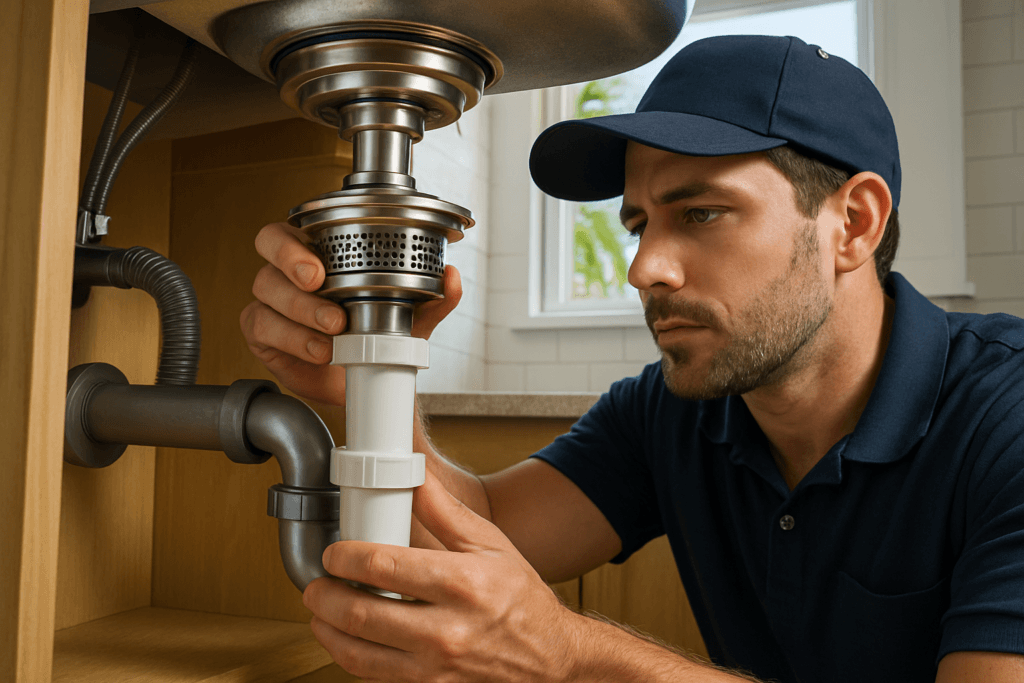
Proper grease disposal is essential for Tampa home cooks who want to keep drains clear, protect plumbing, and help preserve Florida’s environment. The wrong practices can quickly cause fatbergs, costly blockages, and even damage to Tampa Bay’s waterways. By understanding how to safely handle cooking oil disposal and defend your plumbing against grease clogs, you’ll save time, money, and contribute to a healthier local ecosystem. This grease disposal guide for Tampa home cooks brings together the latest in plumbing best practices, cooking oil recycling tips, and environmentally-friendly habits right here in Hillsborough County.
- Quick Checklist
- Eco-Friendly Grease Disposal Guide for Tampa Home Cooks
- Cooking Oil Recycling and Tampa’s Options
- Fatberg Prevention and Kitchen Drain Protection
- Using Sink Strainer Baskets for Extra Plumbing Protection
- Frequently Asked Questions
Quick Checklist
- cool and collect cooking grease in a disposable container before trashing
- never pour hot oil down your sink or toilet
- recycle used cooking oil at designated Tampa drop-off sites
- install a sink strainer basket to keep food and grease out of drains
- schedule annual professional drain cleaning for lasting plumbing health
Eco-Friendly Grease Disposal Guide for Tampa Home Cooks
It’s tempting to rinse away oil after frying up grouper or chicken, but even small amounts of grease can seriously harm your Tampa kitchen plumbing. Oils and fats cool quickly in pipes, especially in homes exposed to Florida’s unpredictable humidity and seasonal temperature swings. This leads to sticky, stubborn deposits that accumulate inside drains, eventually forming major blockages known as fatbergs.
To dispose of grease properly, let it cool first. Pour or scrape cooled grease into a sturdy, disposable container—an empty can or glass jar works well—and then chuck it into your regular trash. For bigger batches, like after a family fish fry, Tampa’s high humidity and rainstorms mean fats solidify and travel less predictably, so always double-check that every bit is contained before discarding. Never wash fats, oils, or grease down the sink, even if you have hot water running, as the municipal water supply in Tampa often contains hard minerals that promote scale formation and worsen greasy buildup in pipes.
If you’re concerned about the environmental effect of repeated grease disposal, look for local cooking oil recycling drop-offs. Thanks to Tampa Bay’s environmentally savvy residents and city regulations, there are expanding options for keeping oils out of the water system. Recycled cooking oil can be turned into biodiesel or other renewable products, directly supporting Florida’s green initiatives while reducing plumbing clogs from St. Petersburg to Brandon.
Cooking Oil Recycling and Tampa’s Options
Cooking oil recycling is one of the simplest ways Tampa home cooks can keep their plumbing working and help the environment. The city offers several official drop-off stations for used oil—making it easy for residents to recycle responsibly. Most of these local services accept all types of vegetable oil, lard, bacon fat, and fryer grease (just make sure it’s strained of food solids beforehand).
Always store used oil in a tightly sealed container and check Tampa’s current recycling calendars for hours and locations. Many Hillsborough County residents have embraced oil recycling, and restaurants across the Tampa Bay area often maintain dedicated storage for oil pickup. By participating, homeowners reduce their risk of internal drain blockages, help keep city sewer lines free of grease, and cut municipal maintenance costs—which leads to lower utility bills for everyone.
Remember, grease-laden pipes are extra vulnerable in areas with aging infrastructure. In many Tampa homes built before the 1990s, calcium buildup inside drain traps is extremely common and often goes unnoticed until drainage slows significantly. Recycling grease, not just discarding it, is a practical way to support both personal plumbing and Tampa Bay’s water quality. Oil recycling options are expanding each year, so keep an eye on announcements from the city and your local neighborhood association.
Fatberg Prevention and Kitchen Drain Protection in Tampa
What exactly is a fatberg? It’s a massive, congealed mass formed from grease, oils, fats, and non-biodegradable materials that shouldn’t be flushed or rinsed. Fatbergs can cause widespread drain blockages in Tampa’s sewer system and have already forced expensive repairs in several Florida communities. Even one pan of bacon grease poured down the drain can start a local fatberg, especially during months of heavy rainfall and high humidity.
Preventing fatbergs is about more than convenience—it’s about defending your home’s drains and protecting Tampa Bay’s delicate environment. Always keep paper towels, sanitary wipes, and excess food scraps out of the sink and toilet. Consider that during seasonal storms, extra runoff places additional strain on aging pipes, making plumbing infrastructure especially vulnerable to fatty buildup. Homeowners should be aware that repairs for severe blockages can average $250–$450 in the Tampa area and might require pipe replacement if ignored.
For those with older copper or cast iron pipes, regular inspection is crucial. Flushing hot water along with a mild dish soap after cooking can help, but this does not dissolve grease—at best, it temporarily moves some oil farther down the line. Experience shows that only thorough, professional drain cleaning, like the service provided by Hot Water Heroes Plumbing, provides lasting protection against fatbergs, especially for homes in coastal zones with high salt air corrosion potential.
Using Sink Strainer Baskets for Extra Plumbing Protection
Adding a sink strainer basket is one of the easiest and least expensive ways to protect your Tampa plumbing. These simple mesh or stainless inserts catch bits of food, grease, and debris that would otherwise slip into your pipes. Homeowners in Brandon and Temple Terrace have found that consistent use of strainer baskets dramatically reduces kitchen clogs, especially when paired with good grease disposal habits.
Choose a strainer that fits snugly and is easy to clean. Tampa’s hard water means that both minerals and small particles can build up over time, so clean your basket regularly with a soft brush and some diluted vinegar. Avoid letting water pool around debris, which speeds up corrosion in Florida’s humid climate and encourages mold growth.
In practice, installing a metal mesh strainer is just as important as scraping plates and greasy pans before washing. Don’t overlook the power of these simple accessories—a well-chosen basket can extend your kitchen plumbing’s life by several years. If you’ve noticed slow drains, frequent backup, or foul odors, check out our comprehensive guide to cleaning your kitchen p-trap for next steps that restore full flow without harsh chemicals.
Ready to protect your Tampa plumbing and keep grease out of Tampa Bay? Hot Water Heroes Plumbing specializes in professional drain cleaning for homes across Hillsborough County. Whether you’re battling stubborn slow drains, concerned about fatberg buildup, or just want yearly prevention, our team delivers reliable solutions tailored to Florida’s climate. Reach out any time for friendly, local plumbing support and honest advice that saves money and makes grease disposal stress-free. Visit our professional drain cleaning service page for more info or to book an appointment.
Frequently Asked Questions
How Should I Store Used Cooking Oil Before Recycling?
allow hot oil or grease to cool, then pour it into a sealed, leak-proof container. store it at room temperature away from children and pets until you can bring it to a tampa recycling site.
Is It Safe to Use a Garbage Disposal for Grease?
no, using a garbage disposal does not make it safe to wash grease down the sink. grease still sticks to the inside of pipes and can lead to clogs or fatbergs, even if shredded by the disposal unit.
What Are the Signs of a Grease Blockage in My Kitchen Drain?
common signs include slow-draining water, bubbling or gurgling sounds, and foul odors from the sink. if left untreated, blockages can escalate to complete backups that require professional attention.
Does Tampa Have Free Oil Recycling Drop-Offs?
yes, tampa and hillsborough county offer several oil recycling drop-off sites for residents. check the city’s website or utility bill inserts for updated locations and hours for safe oil recycling.
What Else Can I Do to Prevent Kitchen Drain Clogs?
along with proper grease disposal and oil recycling, use a quality sink strainer basket, scrape plates before washing, and schedule annual professional drain cleaning. avoid rinsing food scraps or starchy foods down the drain.