
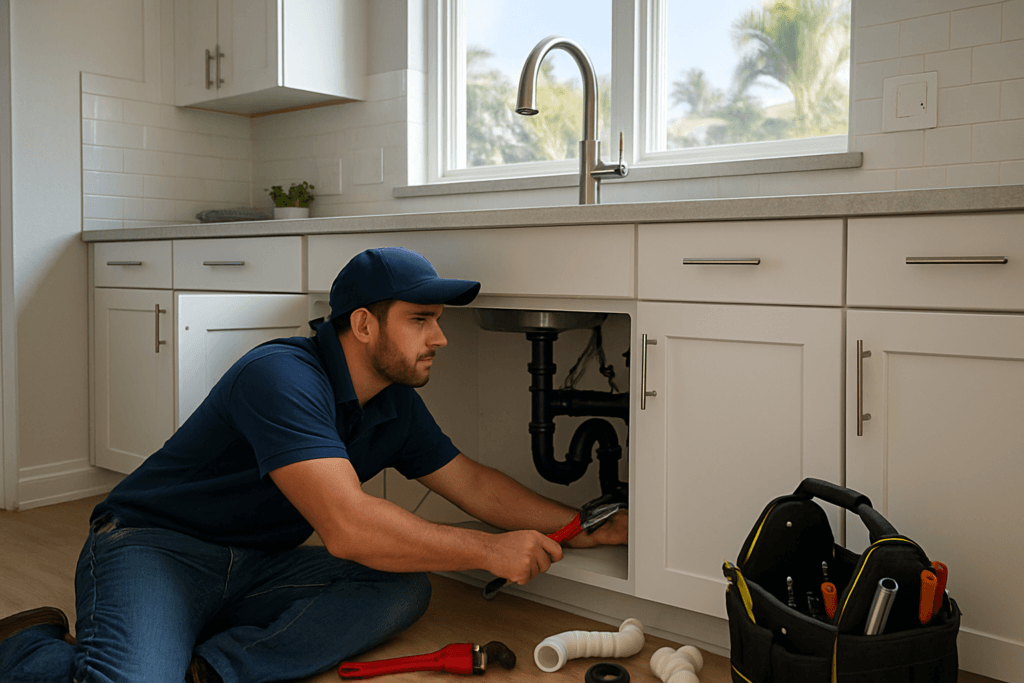
Learning how to clean your kitchen sink P-trap in 15 minutes can be a gamechanger for Tampa homeowners. With Florida’s hard water, high humidity, and aging plumbing in neighborhoods across Hillsborough County, clogged and smelly drains are common. This practical guide walks you step-by-step through DIY sink clog clearance and odor elimination while meeting Tampa Bay’s plumbing needs. In just 15 minutes, you can remove the P-trap under your sink, clear out hidden debris, and save money on plumbing service calls.
- Quick Checklist
- Why Cleaning Your Kitchen Sink P-Trap Matters in Tampa
- Preparation: Tools, Safety, and Tampa Plumbing Know-How
- How to Clean Your Kitchen Sink P-Trap in 15 Minutes: Step-by-Step
- Fixing Clogs, Eliminating Odors, and Preventing Future Kitchen Sink Issues
- Frequently Asked Questions
Quick Checklist
- gather channel-lock pliers, a small bucket, gloves, and a towel
- shut off water to the sink and place the bucket under the P-trap
- loosen slip joint nuts with pliers and carefully remove the P-trap
- clear out clogs and rinse the P-trap thoroughly outside
- reinstall the P-trap, tighten all fittings, and test for leaks
Why Cleaning Your Kitchen Sink P-Trap Matters in Tampa
Tampa’s subtropical climate means kitchens are often humid year-round. That humidity, combined with Hillsborough County’s hard water, accelerates sediment and organic buildup inside kitchen sink P-traps. Food debris, grease, and even local coastal salt air contribute to tough odors and sluggish drains. If you live near Tampa Bay or in areas with older homes—like Seminole Heights or South Tampa—aging cast iron or PVC plumbing can corrode and trap more waste than modern pipes.
Regularly removing the P-trap under the sink keeps Tampa homeowners ahead of major blockages and costly repairs. Tampa’s municipal water supply contains calcium and magnesium, which attach to pipe walls and form scale that narrows your drains. During Florida’s rainy season, increased storm runoff can flush unexpected sediment into household plumbing, compounding these issues. Clearing the P-trap restores proper drainage, lessens corrosion risk, and prevents sewer gas from entering your kitchen.
Ignoring kitchen sink clogs can also create long-lasting damage under cabinets where water leaks go unnoticed. In many Tampa homes built before the 1990s, calcium buildup inside drain traps is extremely common and often goes unnoticed until drainage slows significantly. Staying proactive with quick P-trap cleaning protects both your plumbing system and home value.
Preparation: Tools, Safety, and Tampa Plumbing Know-How
Before starting your DIY sink clog clearance project, assemble basic tools and safety gear. You’ll need channel-lock pliers or a large adjustable wrench to loosen the slip joint nuts, a sturdy bucket to catch residual water, rubber gloves for hygiene, and a few old towels. These items minimize mess and help avoid accidental water damage—especially critical in older Tampa homes with wooden cabinetry or flooring vulnerable to moisture.
Next, make sure to shut off the water supply valves under the sink. Although you won’t remove major pipes, pressure or unexpected leaks can create cleanup headaches. Place the bucket directly underneath the P-trap to catch trapped water, food waste, or hair. Tampa’s humidity means mold or mildew might lurk in dark spaces, so ventilate the area well and wear gloves.
Understand that local plumbing codes in Florida require proper sealing of all drain connections after repairs. If you notice rusted or brittle slip joint nuts, consider replacing them. Regular exposure to coastal salt air in areas near Tampa Bay accelerates metal corrosion, making replacement a smart long-term investment.
How to Clean Your Kitchen Sink P-Trap in 15 Minutes: Step-by-Step
Begin by loosening the slip joint nuts at both ends of the curved P-trap under your kitchen sink. These nuts unscrew by hand in many cases, but pliers or a wrench make the job easier when grime or scale is present. Once loosened, carefully slide the P-trap free and empty its contents into the bucket. You might encounter greasy sludge, coffee grounds, or even small utensils accidentally rinsed down—the P-trap often reveals the true cause of persistent kitchen sink clogs.
Rinse the P-trap thoroughly using a garden hose outside, or in a laundry tub with strong water pressure. Scrub stubborn buildup with a bottle brush or old toothbrush, paying extra attention to hard water scale and fibrous food scraps common in Tampa’s households. If you see thick white crusts, that’s likely calcium or magnesium from the city’s hard water. In some Tampa homes, solidified grease cakes the inside of the trap, requiring extra effort to clear completely. If the P-trap shows cracks or dents after removal, replacement is recommended to prevent future leaks.
Inspect the connecting pipes for any lingering debris before reinstalling the cleaned P-trap. Slide it back into place, tighten all slip joint nuts until snug, and ensure rubber washers are properly seated to prevent leaks. Turn the water supply back on and run hot water for a few minutes, checking for drips. With just a quarter hour, your kitchen drain can flow like new—and you can confidently handle future minor clogs yourself. A real-world tip: always double-check that plastic slip joint nuts are not over-tightened, as Florida humidity and heat can make them brittle.
Fixing Clogs, Eliminating Odors, and Preventing Future Kitchen Sink Issues
Once you finish cleaning your kitchen sink P-trap, you’ll likely notice improved drainage and a fresher kitchen environment. Many Tampa families find that persistent musty odors vanish instantly after the P-trap is scrubbed clean. This step is also your line of defense against sewer gas, a common problem in older Tampa Bay homes with aging plumbing exposed to shifting Florida soil and storms.
Proactive P-trap maintenance not only clears clogs but prevents costly repairs from unnoticed leaks beneath the cabinet. If you detect mineral scale or corrosion, it’s worth considering routine inspections for the rest of your kitchen plumbing. Tampa’s hard water can quickly degrade metal parts, and small leaks add up to real damage over time in Hillsborough County’s humid climate. In rare cases, stubborn blockages signal larger sewer line or vent stack issues, especially in neighborhoods with outdated infrastructure—if so, a professional drain cleaning or sewer camera inspection can provide answers and peace of mind.
For many residents, a quick DIY P-trap clean restores peace of mind and saves on both plumber visits and water bills. If kitchen sink clogs recur more than two or three times a year, or water backs up after heavy Tampa rainfall, it might be time to call in experts. Connecting with local professionals ensures your home meets current Florida codes and is protected from the unique pressures of coastal living.
Regular P-trap cleaning can keep your drains running smoothly, but some problems require a professional touch. When you need high-pressure jetting, video camera inspection, or major repairs, trust the experts at Hot Water Heroes Plumbing—serving Tampa and the entire Hillsborough County region with skill and integrity.
Frequently Asked Questions
How Often Should I Clean My Kitchen Sink P-Trap?
in tampa homes, cleaning the kitchen p-trap every six months is generally recommended. if you notice slow drains or odors more frequently, quarterly cleaning may be best. high-traffic kitchens in the tampa bay area might require more regular attention, especially with hard water buildup and heavy use.
What If I Can’t Loosen the Slip Joint Nuts?
if slip joint nuts are too tight or corroded, try applying a small amount of penetrating oil and let it sit for several minutes. channel-lock pliers can help with stubborn nuts, but applying excessive force can crack brittle plastic—especially in homes exposed to tampa’s humidity. if all else fails, contacting a professional plumber is safest.
Why Does My Sink Still Smell After Cleaning the P-Trap?
persistent odors after cleaning may signal deeper issues, such as partially blocked drain lines or vent stack problems. tampa’s older homes sometimes harbor hidden buildup in vertical drain pipes. regular trap cleaning eliminates most odors, but recurring smells should be investigated by a plumbing expert.
Are There Local Tampa Regulations for DIY Drain Work?
florida plumbing codes allow homeowners to address minor residential drain maintenance like p-trap cleaning and replacement. however, all connections must be properly sealed to prevent leaks and comply with city regulations. for any significant pipe repairs or modifications, it’s always wise to consult a licensed tampa plumber.
When Should I Replace Instead of Clean the P-Trap?
replace the p-trap if you find cracks, corrosion, or excessive wear during cleaning. homes in coastal tampa neighborhoods may see faster deterioration due to salt air and high humidity. damaged traps can leak and may violate local plumbing codes, so err on the side of caution for older or questionable parts.