
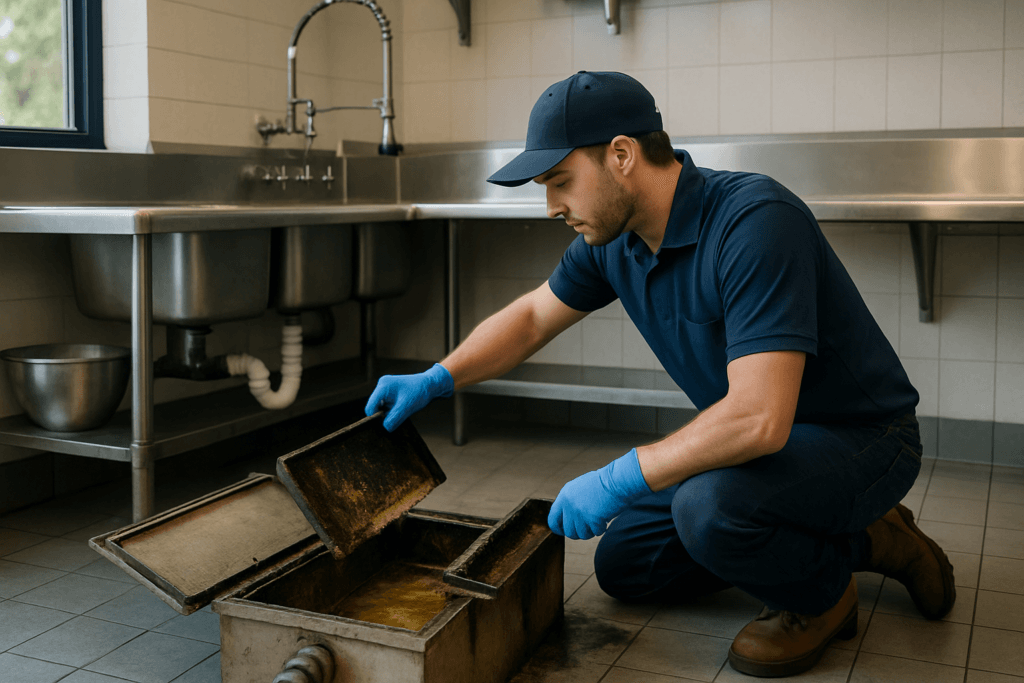
Commercial grease trap cleaning for Tampa restaurants is more than a best practice—it’s a legal necessity. Hillsborough County and the state of Florida hold foodservice businesses to strict plumbing and environmental standards, requiring proactive maintenance for grease interceptors, drains, and all elements of a commercial kitchen plumbing system. With the humidity, hard water, and frequent storms typical of Tampa, the risk of rapid buildup in traps and drains is even higher than in much of the country. If you want to avoid plumbing emergencies, health code violations, or costly repairs, understanding compliance for your grease trap and drain systems is essential to running a successful restaurant in Tampa Bay.
- Quick Checklist
- Navigating Grease Trap Regulations in Hillsborough County
- Why Timely Grease Trap Cleaning Protects Your Business
- Commercial Drain Care Beyond the Trap
- Grease Trap Interceptor Maintenance: Prevention and Repair
- Frequently Asked Questions
Quick Checklist
- verify your cleaning schedule meets hillsborough county requirements
- schedule professional service before buildup leads to backups
- inspect drain lines weekly for slow flow or foul odors
- maintain cleaning records to satisfy health inspectors
- train staff in approved grease disposal practices
Navigating Grease Trap Regulations in Hillsborough County
The first step in commercial grease trap cleaning for Tampa restaurants is understanding the legal landscape. In Hillsborough County, ordinances require regular maintenance and documentation for every foodservice establishment connected to a municipal sewer. Regulations are enforced by both the Environmental Protection Commission and local health departments. Businesses must remove grease and solids before they exceed 25 percent of the trap’s capacity, and if you neglect this duty, steep fines or mandatory closures may follow.
Tampa Bay restaurants face scrutiny not just for what goes down the drain, but for how their waste management prevents sewer blockages and environmental contamination. The city’s humid climate can exacerbate odors and encourage the rapid breakdown of food waste inside poorly maintained interceptors. Tampa’s prevalence of older commercial plumbing—especially in kitchens housed in pre-1990s buildings—means corrosion and mineral scale are common trap problems that can impede compliance if left unchecked.
Inspections often target businesses with a history of slow drains or overflows. As one local technician noted, sometimes a single storm event can send runoff into aged lines, instantly overwhelming traps with added sediment. Regular professional cleaning and timely repairs are not just required—they are your best protection against unplanned shutdowns and code violations. For a comprehensive understanding of federal water safety oversight, refer to EPA drinking water guidance.
Why Timely Grease Trap Cleaning Protects Your Business
Restaurant grease traps are under constant attack from a mix of fats, oils, food debris, and Florida’s notorious hard water. When cleaning is delayed, thick layers of congealed grease restrict flow, cause foul smells, and force dirty water to travel backward through your kitchen plumbing. These conditions are ideal for both expensive clogs and unsanitary working environments.
Grease buildups can also accelerate corrosion in drain lines, especially in areas where Tampa’s salty coastal air seeps into the building. Over time, this corrosion and moisture encourage leaks, burst pipes, and structural water damage. Prompt, professional cleaning removes both the obvious greases and the mineral or sediment buildup that gradual cooking and seasonal humidity can deposit inside every trap or interceptor.
In Tampa, commercial kitchen plumbing failures mean more than a temporary inconvenience. Lost revenue, spoiled food, staff downtime, and reputational risk soon follow. During one late summer visit, our team found that scale buildup from years of hard water added over two inches of blockage in a single restaurant’s grease trap, nearly causing a catastrophic backup just before a county inspection. This demonstrates how even high-volume, reputable kitchens can be just one missed appointment away from compliance headaches and costly emergencies.
Commercial Drain Care Beyond the Trap
While the grease trap is your first line of defense, comprehensive commercial drain care is vital for reducing maintenance costs and extending the lifespan of your plumbing. Tampa’s combination of humid air and calcium-heavy municipal water creates ideal conditions for both biofilm growth and mineral scale, especially where slow drainage hides unseen buildup.
Routine hydro jetting—covered in detail on our hydro jetting overview—is one of the most effective ways to restore full flow in commercial kitchen lines. This powerful service blasts away grease, minerals, and sludge far more thoroughly than snaking or chemicals. Our field crews frequently discover old, neglected lines running under Tampa restaurants that still contain decades-old mineral crust left behind by hard water and seasonally heavy rains.
The best results come from pairing regular professional grease trap service with proactive drain care throughout your facility. Inspecting floor drains, dish machine outlets, and mop sinks ensures that one overlooked connection doesn’t jeopardize the compliance of your entire kitchen. Effective staff training and posted signage about grease disposal also play a big role in keeping pipes clear and the business running smoothly.
Grease Trap Interceptor Maintenance: Prevention and Repair
Preventive interceptor maintenance in Tampa goes far beyond pumping out the trap on schedule. Interior baffles, clean-out ports, and inlet pipes must be checked for damage or heavy buildup every time your professional plumber arrives. Aging buildings near downtown Tampa and along the waterfront are especially prone to pipe failures from constant groundwater seepage and the corrosive effects of salt air, making regular inspections a must for long-term performance.
Our experience shows that well-maintained traps not only help you pass health inspections—they also allow your kitchen to weather Tampa’s unpredictable storms with fewer emergencies. When trap covers are kept tight and seals checked for leaks, a sudden spike in storm runoff is less likely to wash heavy debris into the city sewer or cause unpleasant odors in your dining area.
Many business owners worry about the cost of commercial grease trap cleaning, but in practice, proactive maintenance nearly always saves money compared to emergency repairs or fines for non-compliance. For heavy-use restaurants, every maintenance visit should include recommendations for future upgrades or catch basin repairs, helping you plan ahead and avoid the cycle of clog, backup, and expensive downtime. To learn more or to schedule your next cleaning, visit our drain cleaning service page.
Protect your restaurant’s reputation and bottom line by partnering with a local plumbing expert that understands both the unique demands of Tampa’s environment and the complexities of restaurant compliance. Whether you serve seafood on Bayshore or burgers downtown, your plumbing is the backbone of every bustling kitchen. Let Hot Water Heroes Plumbing put you in control of your grease trap, drains, and peace of mind with reliable commercial solutions backed by experience and local knowledge.
Frequently Asked Questions
How often must Tampa restaurants clean their grease traps?
hillsborough county requires most restaurants to clean grease traps at least every 90 days, or sooner if the trap reaches 25 percent capacity. higher-volume locations may need monthly service to avoid blockages and compliance issues.
What are the signs a grease trap needs cleaning?
slow drainage, strong kitchen odors, or grease on floor drains often signal a clogged trap. regular inspections can detect early warning signs before they threaten business operations or lead to health code violations.
Are Tampa’s plumbing codes different from other Florida cities?
while state regulations provide a baseline, tampa’s local codes and hillsborough county ordinances establish specific record-keeping, cleaning, and waste disposal requirements for restaurants. it’s important to follow both county and city guidelines for full compliance.
What is the typical cost for grease trap cleaning in Tampa?
most tampa restaurants pay between $175 and $425 per visit, depending on trap size, buildup, and service frequency. catch basins in older buildings or kitchens with heavy fryer use may run higher due to sediment and hardened grease removal needs.
Should drain jetting be included in regular maintenance?
combining hydro jetting with grease trap service is highly recommended, especially in tampa’s hard water conditions. thorough cleaning reduces the chance of recurring clogs and extends the life of your commercial kitchen plumbing system.


