Many Tampa homeowners eventually notice smelly hot water or rusty leaks from their water heaters—often a sign that the sacrificial anode rod inside the tank is overdue for replacement. Replacing an anode rod in Tampa water heaters is a straightforward task that can dramatically extend the life of your unit, save on costly repairs, and keep your water fresh and odor-free. With Florida’s uniquely humid climate, hard water deposits, and coastal air, local water heaters face more stress than most—making preventative maintenance even more essential for Tampa Bay homes.
- Quick Checklist
- How Anode Rods Protect Tampa Water Heaters
- Signs You Should Replace Your Sacrificial Anode Rod
- DIY Guide: Replacing an Anode Rod in Tampa Water Heaters
- Choosing Magnesium vs Aluminum Anode Rods
- Frequently Asked Questions
Quick Checklist
- shut off power or gas before any water heater maintenance
- flush the tank to clear sediment before removing the anode rod
- inspect the removed rod for heavy corrosion or pitting
- select a magnesium rod for tougher odor control
- check for leaks and proper water heater function afterwards
How Anode Rods Protect Tampa Water Heaters
The sacrificial anode rod, buried deep inside your water heater tank, is the unsung hero guarding against rust and corrosion. This metal rod—made from magnesium or aluminum—literally sacrifices itself, drawing corrosive forces away from the tank. In Tampa, we see this as a vital line of defense, because the combination of hard municipal water, subtropical humidity, and coastal salt air accelerates tank corrosion. Homes near the bay or in low-lying Hillsborough County neighborhoods can be especially vulnerable, with more minerals and occasional storm runoff pushing water heaters to their limits.
As water boils and cools inside Tampa hot water heaters, minerals like calcium and magnesium settle to the bottom, thickening into a layer that can coat the anode rod. Over years, the rod wears away as it corrodes, and once it’s gone, rust attacks the steel tank. Without routine anode rod replacement, it’s only a matter of time before a water heater in Tampa shows leaks or foul-smelling water.
In Florida, even newer homes can struggle with cumulative mineral buildup. Many Tampa homeowners don’t realize how crucial periodic anode rod checks are for water heater longevity—especially in pre-1990s plumbing, which is common across the region. An experienced plumber can often spot tank corrosion early, especially in areas with elevated hardness or where local plumbing codes require certain safe water additives.
Signs You Should Replace Your Sacrificial Anode Rod
First and foremost, if your hot water smells like rotten eggs, it could be bacteria reacting with a spent anode rod. This is one of the most obvious warning signs for Tampa residents, especially in older tanks or after long periods of low hot water use during Florida’s milder months. Sometimes, visible rust or orange-brown particles in the water can also signal that your anode rod is failing and corrosion has started eating at the tank itself.
Another telltale sign is water seeping from the top or bottom of the water heater. In many Tampa homes built before the 1990s, calcium buildup inside drain valves and anode rod ports is extremely common and often goes unnoticed until a leak or pressure problem forces the issue. If you notice unusual sounds—like popping or banging from the heater—it could indicate excessive sediment, which can reduce anode rod effectiveness and hasten corrosion. Also, frequent pilot light outages in gas units or tripping breakers in electrics may be linked to sediment and corrosion issues predating visible leaks.
In our fieldwork across the Tampa Bay area, we often find that a simple annual inspection for anode rod wear can prevent emergency water heater failure—saving homeowners hundreds or even thousands compared to a full water heater replacement. Scheduling this routine service once every two to three years (and even more often near saltwater zones) is a smart investment in your Tampa home’s plumbing health.
DIY Guide: Replacing an Anode Rod in Tampa Water Heaters
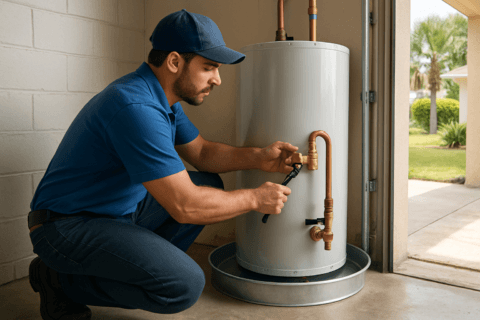
Replacing an anode rod in Tampa water heaters isn’t overly complex, but proper preparation makes a big difference. First, always turn off electricity at the breaker for electric systems, or shut off gas for gas models. Allow the tank to cool before draining. Connect a hose to the drain valve, opening a nearby hot water tap to relieve pressure and ensure the tank empties safely. Tampa’s hard water can leave stubborn sediments at the bottom, so flushing out a few gallons is wise before removing the old rod.
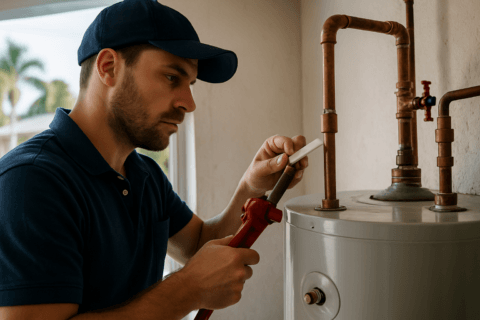
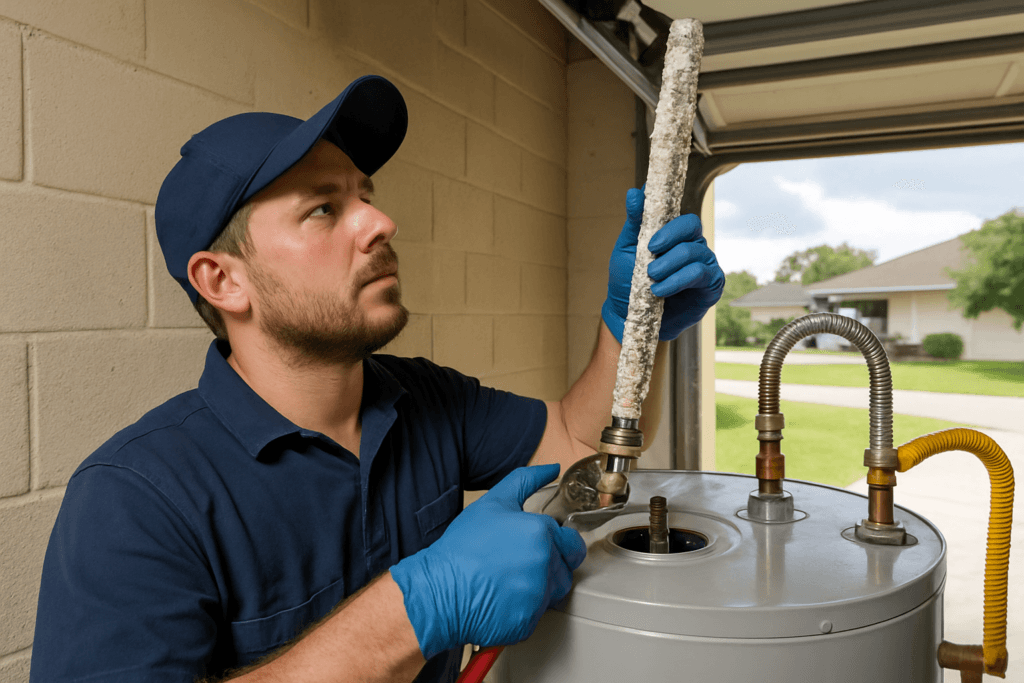
Locate the anode rod—usually on the tank’s top, often under a plastic or metal cap. You’ll need a socket wrench (often 1-1/16”) and sometimes a breaker bar to loosen it, as corrosive scale and age can make Tampa water heater anodes particularly tough to remove. Pull the rod straight out; if it’s worn down to the steel wire or heavily pitted, replacement is overdue. Wrap the threads of your new rod with Teflon tape, then hand-tighten and finish with the wrench, but avoid overtightening.
Refill the tank and restore power or gas. Check carefully for leaks and let the tank heat fully before testing hot water at the tap. If the odor or rust persists, consult a Tampa plumbing professional—sometimes more extensive cleaning or even tank replacement is needed when corrosion is advanced. For step-by-step repairs or more complex issues, our team of Tampa water heater repair experts is always available for fast, honest service anywhere in Hillsborough County.
Choosing Magnesium vs Aluminum Anode Rods in Florida Water Heaters
The decision between magnesium and aluminum anode rods is more than just a technical detail for Tampa-area homeowners—it’s a choice that can impact water quality and heater longevity. Magnesium anode rods are typically best for most Tampa water heaters, as they offer superior protection against rust and react more completely with the minerals found in local hard water. Magnesium rods also help neutralize sulfide-reducing bacteria, which frequently cause smelly hot water issues in Florida climates, especially in tanks with stagnant periods or low periodic use.
However, magnesium rods tend to wear out more quickly, particularly in areas where Tampa municipal water contains high calcium and magnesium scale, or in homes with higher hot water demand. Aluminum rods, while slower to corrode, offer a longer service life but deliver slightly less effective water heater rust prevention. Some Tampa homeowners find that aluminum rods are better if their water heater is located in a garage or crawlspace exposed to more humidity and salt air, as the rod lasts longer between replacements.
Ultimately, working with a local plumbing expert who understands Tampa’s unique environmental factors—especially the impact of coastal salt air on exposed water heater components—can help you make the best choice. At Hot Water Heroes Plumbing, we always match the rod material to your water quality and usage needs so you get the best water heater protection for your home and budget. If you’re considering an upgrade to your heater altogether, learn more about the pros and cons of electric and gas tankless water heaters in Tampa.
Take Action to Prevent Costly Rust and Smelly Water in Tampa
If you’re seeing rusty water, persistent odors, or leaks around your hot water heater, don’t wait until you’re facing a flooded garage or a surprise cold shower. Preventative maintenance like replacing your anode rod is one of the smartest ways to avoid major plumbing headaches—and it can help your water heater last years longer, especially in the unique climate of Tampa and Tampa Bay. For affordable, reliable help anywhere in Hillsborough County, trust the pros at Hot Water Heroes Plumbing to handle your water heater repair or replacement needs, and ensure your home’s hot water supply stays fresh, safe, and worry-free. For more about water safety, visit EPA drinking water guidance.
Frequently Asked Questions
How Often Should I Replace the Anode Rod in a Tampa Water Heater?
Most Tampa water heaters should have the anode rod checked every two years and replaced at least every three to five years. High mineral content in Hillsborough County water may require even more frequent inspections to prevent odor and rust issues.
What Causes Smelly Hot Water in My Tampa Home?
Smelly hot water is often caused by bacteria reacting with a depleted anode rod, resulting in hydrogen sulfide gas. Replacing the rod, particularly with a magnesium one, can resolve this issue for most Tampa homes.
Are Magnesium or Aluminum Anode Rods Better for Tampa?
Magnesium rods typically offer better protection and odor control for Tampa water heaters. Aluminum rods may last longer but provide less aggressive corrosion prevention, which can be important if your home’s water is especially hard.
Can I Replace the Anode Rod Myself, or Should I Call a Plumber?
Handy homeowners can often replace the anode rod, but Tampa’s hard water and scale can make removal difficult. If you hit a snag or see major corrosion, it’s wise to call a licensed plumber familiar with Florida plumbing codes.
Does Replacing the Anode Rod Prevent Water Heater Rust Completely?
Replacing the rod greatly reduces the risk of rust, but doesn’t make the tank immune. Other factors—like sediment buildup and salt air—also affect longevity, so combining rod replacement with annual inspections is best.