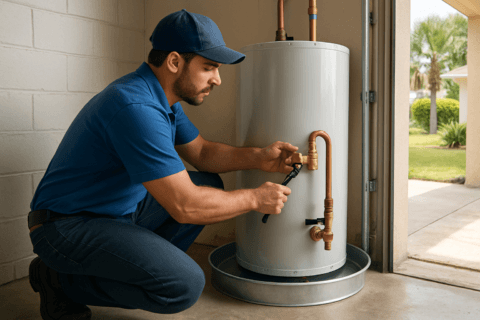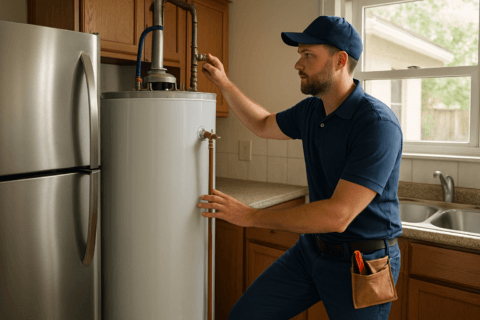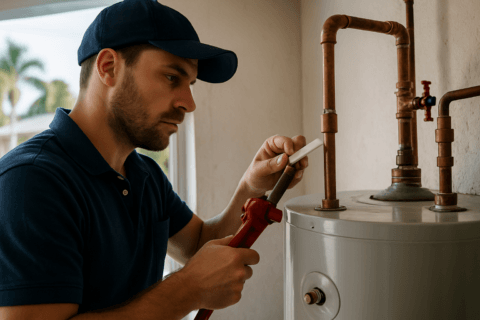
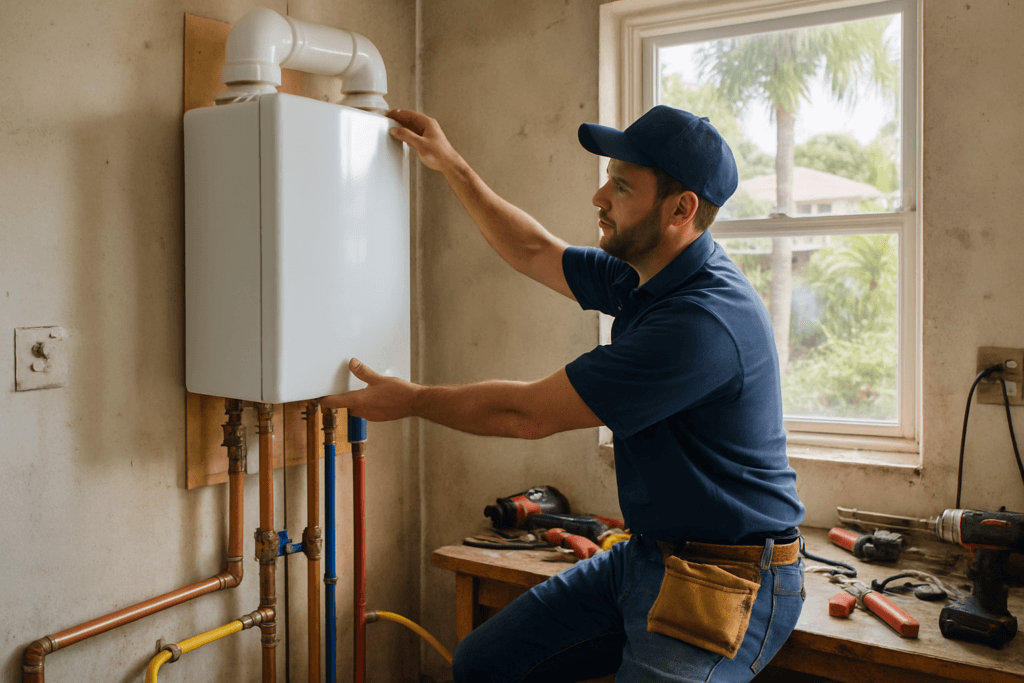
Choosing between an electric vs gas tankless water heater in Tampa homes is more than just a question of brand or size—it’s an investment in energy efficiency, operating costs, and future-proof comfort. In Tampa, with its humid summers, hard water, and salt air, understanding your options ensures you make the best choice for your household budget and daily hot water needs. Whether you’re planning a tankless conversion or upgrading outdated equipment, knowing the differences matters for longevity and cost control in our region.
- Quick Checklist
- Electric Vs Gas Tankless Water Heater In Tampa: Cost Comparison Explored
- Energy Efficiency And Operating Costs In Tampa
- Infrastructure Factors: Electrical Panel Upgrade And Natural Gas Plumbing
- Tankless Conversion Considerations For Tampa Homeowners
- Frequently Asked Questions
Quick Checklist
- verify available electrical panel capacity before considering electric tankless units
- check for existing natural gas lines or proximity for gas tankless installation
- account for Tampa hard water effects on heat exchanger lifespan and maintenance
- consider seasonal hurricane-related outages impacting electric and gas supply
- request detailed operating cost estimates based on your home’s water usage patterns
Electric Vs Gas Tankless Water Heater In Tampa: Cost Comparison Explored
Homeowners deciding between electric vs gas tankless water heater in Tampa often focus on purchase price first, but up-front cost only tells part of the story. Electric tankless units typically cost $600 to $1,200 for the equipment, while gas models range from $900 to $1,800. Installation costs, however, are shaped by local plumbing requirements and your home’s infrastructure. For many Tampa homes, adding natural gas plumbing or upgrading to thicker gas lines increases the total project budget, especially in older neighborhoods with aging infrastructure. Conversely, electric tankless units might need a costly electrical panel upgrade—common in Tampa homes built before the 1990s with 100 amp panels or less. This can raise total costs by $800 to over $2,500 depending on complexity and city permitting fees.
Ongoing operating costs Tampa homeowners face typically favor gas tankless water heaters, especially for large households using significant hot water. Natural gas rates in Hillsborough County remain relatively stable, while electricity bills can spike with Tampa’s frequent high humidity and summer cooling demands. Over a standard 10-year lifespan, the difference in utility expenses can reach hundreds of dollars annually. Still, all costs should be viewed alongside maintenance and potential repair factors—the prevalent hard water in Tampa leads to faster mineral buildup inside both electric and gas tankless systems, affecting efficiency and sometimes voiding warranties if not addressed.
Choosing the best option means factoring in not just initial cost and ongoing expenses, but also the Tampa-specific considerations such as exposure to coastal salt air, frequent storms that can cause power or gas outages, and the impact of dense sediment buildup from local municipal water. Consulting with a licensed plumber familiar with both electric and gas tankless installations in Tampa will help you get realistic long-term projections, and ensure your investment is suited to the city’s unique climate and cost realities.
Energy Efficiency And Operating Costs In Tampa
The efficiency of your water heater directly affects your monthly bills in Tampa, where utility rates change with seasonal demand. Gas tankless models generally achieve higher flow rates and can handle simultaneous hot water demand better, making them popular in multi-bath homes or for families who run dishwashers and washing machines at the same time. Electric tankless water heaters, by contrast, boast slightly higher energy conversion efficiency, since all the electricity consumed is turned into heat. However, Tampa’s electricity is often more expensive per BTU than natural gas, offsetting that technical advantage.
For Tampa homeowners considering tankless units, the real-world operating costs come down to both energy source price swings and daily usage patterns. In our region, electric tankless water heaters may seem attractive for condos or small homes with lower usage, as they provide on-demand hot water and eliminate standby losses common to tank models. But for larger households or frequent heavy use, gas tankless systems maintain hot water flow more reliably during peak demand. A technician recently noted that during a storm-related power outage, a client with a natural gas tankless unit was still able to take hot showers, while neighbors with electric systems had to wait for power to be restored.
Another critical factor is sediment and scale buildup, which are especially challenging in Tampa due to the hard water supply. Calcium and magnesium particles can form deposits on the heat exchanger, causing both electric and gas tankless water heaters to work harder and use more energy—sometimes increasing utility bills by 10% or more before a homeowner notices reduced comfort. Regular maintenance is crucial to maintaining efficiency and keeping operating costs in check. Learn more about the impact of hard water and required preventive measures in our detailed discussion on Tampa thermal expansion tank requirements.
Infrastructure Factors: Electrical Panel Upgrade And Natural Gas Plumbing
Infrastructure upgrades are often overlooked when planning a tankless water heater installation. Tampa’s older neighborhoods, in particular, present unique challenges. For electric tankless systems, your home’s electrical panel must support higher amperage loads—usually 120 to 150 amps just for the heater, plus capacity for the rest of the house. Tampa homes with outdated 100-amp panels, which are common, nearly always require an electrical panel upgrade. This work involves new wiring, coordination with Tampa Electric for permits and inspections, and can add $1,000 to $3,000 to your project costs.
Gas tankless water heaters come with their own infrastructure demands, especially if your home currently lacks natural gas plumbing. Extending or upgrading gas lines is a specialized task governed by Florida plumbing codes and city inspection standards. When retrofitting pre-1990s homes, plumbers often encounter hidden corrosion inside old galvanized or copper supply pipes, which not only slows installation but can raise safety and cost concerns. In many Tampa homes built before the 1990s, calcium buildup inside drain traps is extremely common and often goes unnoticed until drainage slows significantly, echoing the importance of thorough inspection during water heater work.
Both electric and gas installations must contend with the effects of Tampa’s salt-laden coastal air, which can speed up corrosion of outdoor venting or electrical enclosures. Choosing properly rated components and ensuring seal integrity is vital for long-lasting, trouble-free performance. It’s also important to factor in hurricane season: electric systems are more susceptible to prolonged outages, while gas lines can be disrupted by underground flooding. Discuss these details with your plumber to ensure a seamless installation and reliable service year-round. For installation or upgrade questions, explore water heater repair and installation services in Tampa.
Tankless Conversion Considerations For Tampa Homeowners
Converting from a traditional tank water heater to a tankless system in Tampa requires in-depth planning and attention to local details. The first step is verifying if your current plumbing and utilities can accommodate the higher resource demand of tankless units. For electric tankless heaters, make sure your panel and wiring can handle the additional load. It’s not uncommon for Tampa electricians and plumbers to work together, especially with older homes needing both water and electrical upgrades to pass city code checks. Gas tankless conversions, meanwhile, might involve a new gas meter or heavier supply line, particularly in neighborhoods where many homes were built before natural gas became a standard utility.
Tampa’s hard water creates another layer of complexity for tankless systems. Minerals in the city’s water supply, mostly calcium and magnesium, build up quickly on heat exchangers, impacting efficiency and shortening equipment life if left untreated. Installing a whole-house descaler or water softener is often recommended with tankless conversions and can extend your heater’s life by several years. In this context, real-world experience shows that skipping this step can lead to clogs or warranty denials—important for Tampa homeowners budgeting for the long term.
Finally, consider the weather: hurricane outages, intense storms, and coastal humidity all play a part in water heater performance. Gas systems may have an edge in storm resiliency but can be impacted if local infrastructure is damaged. Electric tankless water heaters are silent, have no combustion byproducts, and are easier to install in tight spaces, but are 100 percent reliant on grid power. Reviewing your home’s risks and maintenance needs is crucial—always ask for a plumber’s honest assessment of likely repairs versus full replacement over the life of your unit. For more about Tampa’s unique installation requirements, read about Tampa water heater expansion tanks and code requirements.
Ready to compare electric vs gas tankless water heater installation in your Tampa home? Our licensed plumbers at Hot Water Heroes Plumbing will inspect your existing setup, offer cost projections, and guide you through Tampa-specific code, hard water precautions, and seasonal planning. Contact us today for an expert estimate that puts your comfort and long-term savings first. Discover more about tankless options and professional service at our Tampa water heater solutions page.
Frequently Asked Questions
Is An Electrical Panel Upgrade Always Needed For Electric Tankless?
in many cases, yes. tampa homes with original 100 amp panels usually need an upgrade to support the higher amperage required by electric tankless water heaters.
How Do Tampa’s Hard Water Conditions Impact Tankless Units?
tampa’s hard water can cause mineral scale to build up quickly inside tankless water heaters, reducing efficiency and increasing maintenance needs. regular flushing and possible installation of a water softener are strongly recommended.
Are Gas Tankless Water Heaters Cheaper To Operate In Tampa?
for most homes with average to high hot water use, gas tankless water heaters result in lower operating costs in tampa due to stable natural gas prices compared to electricity.
What’s The Average Lifespan Of Tankless Water Heaters In Tampa?
with maintenance, both electric and gas tankless water heaters can last 12 to 20 years in tampa. however, untreated hard water or poor installation may shorten this lifespan significantly.
Do Tampa Codes Require Expansion Tanks With Tankless Conversions?
tampa plumbing codes may require thermal expansion tanks during tankless conversions, especially if your home has a closed water system. consult your plumber or read local code guidance before starting your project.
For additional information about Tampa municipal water and safe supply standards, visit EPA drinking water guidance.