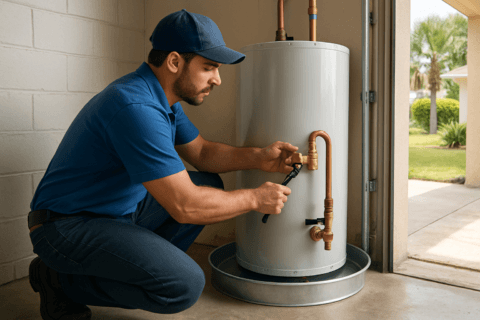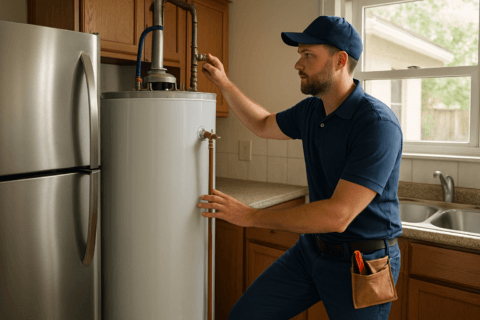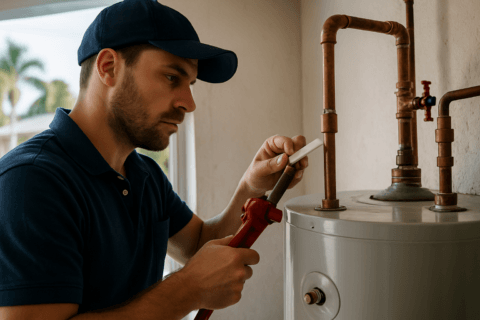
Across Riverview and Tampa Bay, hard water can turn a tankless water heater from a modern marvel into a maintenance headache. The unique makeup of Hillsborough County tap water—rich in calcium and magnesium—often causes stubborn mineral buildup, especially in homes with older plumbing. That’s why every homeowner with a tankless system should know proper tankless water heater flushing instructions for hard water. This step-by-step guide arms you with the facts, practical know-how, and local context to keep your system running efficiently and avoid costly repairs.
- Quick Checklist
- Why Tankless Water Heater Flushing Instructions for Hard Water Matter in Riverview
- How a Vinegar Flush Tankless Routine Prevents Tampa Bay Scale
- Using a Tankless Maintenance Kit for Thorough Scale Buildup Removal
- Frequently Asked Questions
Quick Checklist
- Turn off electrical power and close gas or water supply valves
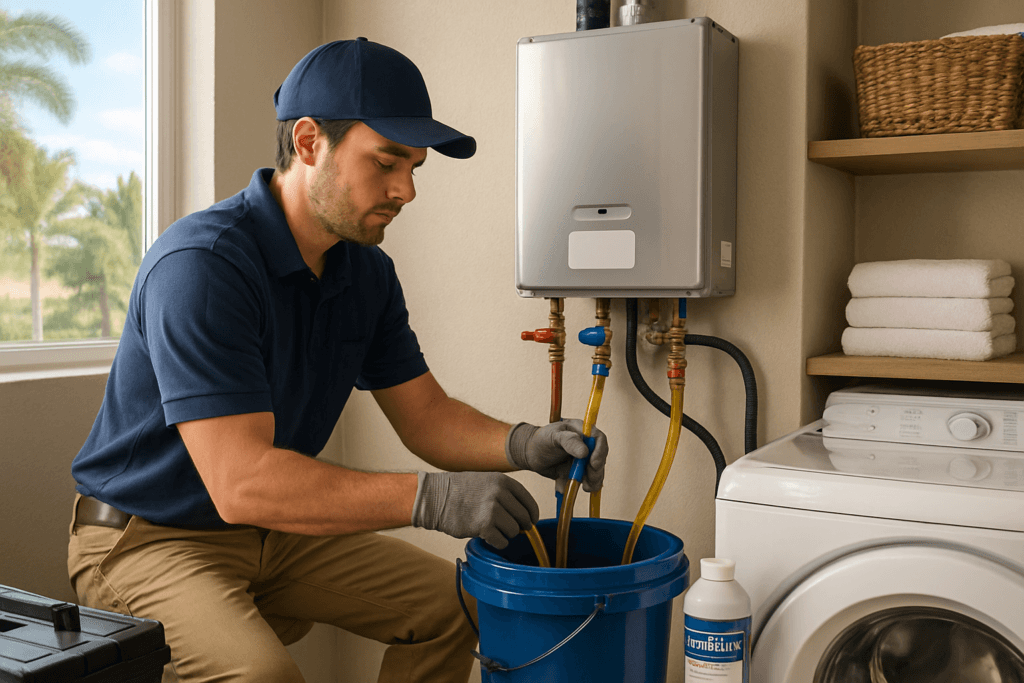
- Connect hoses to the tankless water heater service ports using a flushing kit
- Circulate white vinegar (or descaler) through unit for at least 45 minutes
- Flush clean water through the unit to remove all vinegar and debris
- Restore all connections, open valves, and power unit back on
Why Tankless Water Heater Flushing Instructions for Hard Water Matter in Riverview
Riverview draws its water from the Tampa municipal supply, which is notorious for hard water minerals. Over time, these minerals—primarily calcium and magnesium—form a stubborn scale within your tankless water heater’s heat exchanger. This scale acts as an insulator, preventing proper heat transfer and forcing your system to work harder. Not only does this drive up your utility bills, but it also shortens the lifespan of the unit.
Here in Tampa Bay, humidity and coastal conditions amplify plumbing challenges. The constant salt air exposure, combined with hard water, accelerates corrosion and sediment buildup in both new and aging plumbing systems. In many Tampa homes built before the 1990s, calcium buildup inside hot water piping is extremely common and often goes unnoticed until water flow drops significantly. Without regular flushing, scale can clog the tiny water passages of your tankless system, leading to error codes, reduced efficiency, or even a complete shutdown.
By following tankless water heater flushing instructions for hard water at least once or twice a year, especially in Riverview and throughout Hillsborough County, you’ll dramatically cut down on performance issues. Proper maintenance also helps you stay compliant with Florida plumbing codes—which are strict about preventing backflow and contamination from water heater byproducts. If in doubt, speak with a plumber in Riverview, FL who is experienced with local water supply conditions.
How a Vinegar Flush Tankless Routine Prevents Tampa Bay Scale
A vinegar flush tankless maintenance routine is favored by industry pros because it’s safe, effective, and cost-efficient. White distilled vinegar, a mild acid, naturally dissolves scale and sediment deposits without posing a risk to metal components. The process involves isolating the tankless heater, attaching hoses to the cold and hot service ports, and using a pump to circulate vinegar throughout the system.
Start by shutting off the gas or electricity and closing the cold water inlet and hot water outlet valves. Attach a submersible pump and hoses—these often come in a tankless maintenance kit—to the service valves. Place the pump in a bucket filled with at least four gallons of fresh vinegar. Let the circulation run for 45 to 60 minutes. This flushes out calcium, magnesium, and any gritty sediment that can accumulate, especially after periods of heavy Florida rainfall or storm runoff, which sometimes impacts municipal water clarity.
Once flushing is complete, run clean water through the system for 5 to 10 minutes to remove all traces of vinegar and debris. After everything is reconnected, restore power and let the heater cycle on fully. Consistent vinegar flushes are proven to prevent most scale buildup removal headaches. Homeowners have found this simple step can double the service life of heat exchangers, keeping energy bills low and hot showers reliable through fierce Tampa humidity.
Using a Tankless Maintenance Kit for Thorough Scale Buildup Removal
A quality tankless maintenance kit makes regular service safe and hassle-free, whether you live in a new Riverview subdivision or an older Tampa bungalow. These kits come with color-coded hoses, quick-connect adapters, and submersible pumps designed to fit most major tankless models. Proper use of a kit ensures the vinegar or descaler flows evenly through the heater, reaching every corner of the heat exchanger and ensuring consistent scale buildup removal.
Begin by reviewing the heater’s manual and double-checking that the unit is completely isolated from your home’s plumbing. Local plumbing codes in Florida, especially in Hillsborough and Pinellas counties, sometimes require installation of isolation valves for this very maintenance process. Experienced plumbers in Riverview, FL have noted that a surprising number of homes with tankless water heaters are missing these critical valves—leading to extra hassle and potential leaks if DIY maintenance is attempted without them.
If you’re unsure about this step or face unusual plumbing configurations, it’s wise to consult an expert. In our fieldwork, we’ve seen that using an inexpensive kit for regular vinegar flushes can prevent scale damage that otherwise calls for a $300 to $800 repair—an expense common in the Tampa Bay area due to the water hardness and aging infrastructure. For more tips on setting the ideal water temperature for Florida humidity, check out our related blog post tailored for Tampa and Riverview homeowners.
When to Flush, Repair, or Replace Your Tankless Water Heater
Deciding whether to flush, repair, or replace a tankless water heater comes down to a mix of age, maintenance history, and symptoms. In most Riverview households, routine maintenance extends a tankless unit’s lifespan well beyond a decade. If you notice persistent scale, slow hot water delivery, or frequent error codes even after thorough flushing, it might signal deeper blockages or failing components. For units over 12 years old, or those showing internal leaks or irregular heating cycles, replacement may be more cost-effective in the long run—especially when considering Tampa’s water conditions and coastal air exposure.
On the other hand, a maintenance kit and annual vinegar flush can postpone major repairs for years. Typically, repair costs for scale-related issues in Tampa run from $250 to $600, while a total tankless replacement starts near $1,800, depending on brand, capacity, and gas versus electric models. It’s worth weighing the repair vs. replace decision carefully and consulting a reputable local water heater specialist for a site assessment.
One experience-based tip: never neglect the signs of scale buildup—like water ‘chirping’ noises or tiny white flecks in the hot tap. Early intervention almost always means a simple flush instead of a costly exchange or emergency service, keeping your total maintenance costs low and reducing the risk of Tampa storm-related plumbing surprises.
Protect your investment and enjoy endless hot water by making regular tankless water heater flushing part of your home upkeep in Riverview and the greater Tampa area. If you’d like a licensed plumber to service your system—or if you want an expert evaluation of scale buildup or tankless performance—reach out to our team at Hot Water Heroes Plumbing for fast, friendly help. We’re passionate about helping Tampa Bay residents enjoy efficient, worry-free hot water year-round.
Frequently Asked Questions
How Often Should I Flush My Tankless Water Heater in Riverview?
With Riverview and Tampa’s hard water, you should flush your tankless water heater every 6 to 12 months. High mineral content means scale builds up faster here than in other parts of Florida. Regular flushing protects efficiency and prevents small issues from growing into expensive repairs.
Can I Use Vinegar for Scale Removal Instead of Special Chemicals?
Plain white vinegar is very effective for flushing tankless water heaters and safely dissolves most scale deposits. Some commercial descalers work a little faster but are not always necessary for routine maintenance. Always rinse thoroughly after flushing to remove any leftover vinegar from the system.
Will Flushing Void My Water Heater Warranty?
Flushing your tankless water heater according to the manufacturer’s instructions will not void the warranty. In fact, most major brands require regular flushing for warranty coverage on heat exchangers in hard water areas like Tampa. Always check your manual for specifics before starting DIY maintenance.
Do Tankless Maintenance Kits Work on All Models?
Most tankless maintenance kits are universal and fit common models from Rheem, Rinnai, Noritz, and Navien. However, some older or specialty units may need unique adaptors. If you’re unsure about compatibility or have missing isolation valves, consult a Riverview plumber before starting.
How Can I Tell If Scale Is Affecting My Hot Water?
You might notice reduced hot water flow, frequent error codes, or hear rumbling sounds from your heater. Sometimes you’ll see white residue on faucet aerators. If these signs show up, it’s likely time for a thorough flush and inspection by a professional.