Space-saving water heater options for Ybor City townhomes are becoming crucial as Tampa’s urban areas continue to grow denser. With narrow layouts, tight utility closets, and the charm of historic brick buildings, homeowners and landlords need hot water solutions that fit seamlessly into compact spaces. Local factors—like hard water minerals, Florida’s coastal humidity, and the older infrastructure in Ybor City—make choosing the right system even more important when planning for long-term comfort and value.
- Quick Checklist
- Compact Water Heater Solutions for Ybor City Utility Closets
- Crawl Space Tankless and Point-of-Use Alternatives
- Integrating Utility Closet Plumbing in Small Tampa Townhomes
- When to Upgrade Your Water Heater in Historic Ybor City Homes
- Frequently Asked Questions
Quick Checklist
- measure available utility closet space before selecting a heater model
- consider tankless or point-of-use units to save valuable square footage
- check tampa municipal codes for water heater size and placement requirements
- choose corrosion-resistant models for coastal florida humidity and salt exposure
- schedule annual maintenance to reduce sediment and calcium buildup from hard water
Compact Water Heater Solutions for Ybor City Utility Closets
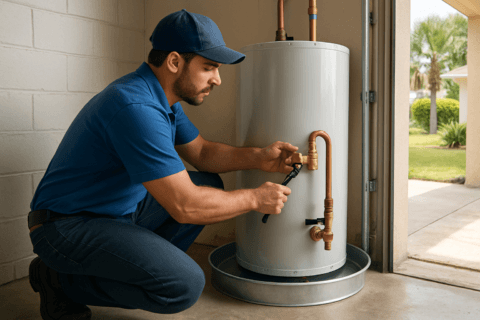
The growing demand for space-saving water heater options for Ybor City townhomes reflects both architectural character and modern living realities. Tank-style electric water heaters are popular in Tampa, but their bulky size can make fitting them into small utility closets a challenge. For narrow layouts or pre-war homes, opting for a short electric model, often called a “lowboy,” can help maximize usable area while still meeting household needs.
Many homeowners find that compact electric water heaters, sometimes under thirty inches tall, fit snugly beneath shelving or into tight closet corners. These units also pair well with utility sink plumbing, providing sufficient capacity for a typical one- or two-bedroom unit in the city. Builders and remodelers frequently see compact models specified for Ybor City buildings with limited retrofitting space and older pipes that can complicate installation.
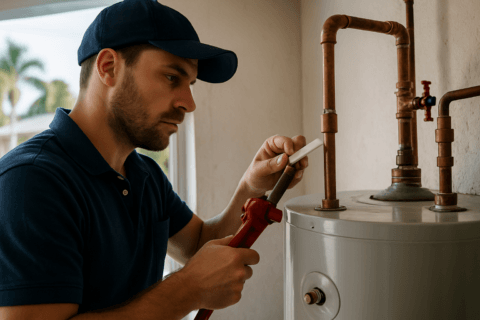
Local water quality offers another consideration. Tampa’s municipal supply contains higher-than-average levels of minerals like calcium and magnesium, leading to internal scale buildup in traditional water heater tanks. Regular flushing is key, but the small footprint of newer electric heaters makes access much easier for both home and professional maintenance, reducing the risk of premature wear or decreased efficiency over time.
Crawl Space Tankless and Point-of-Use Alternatives
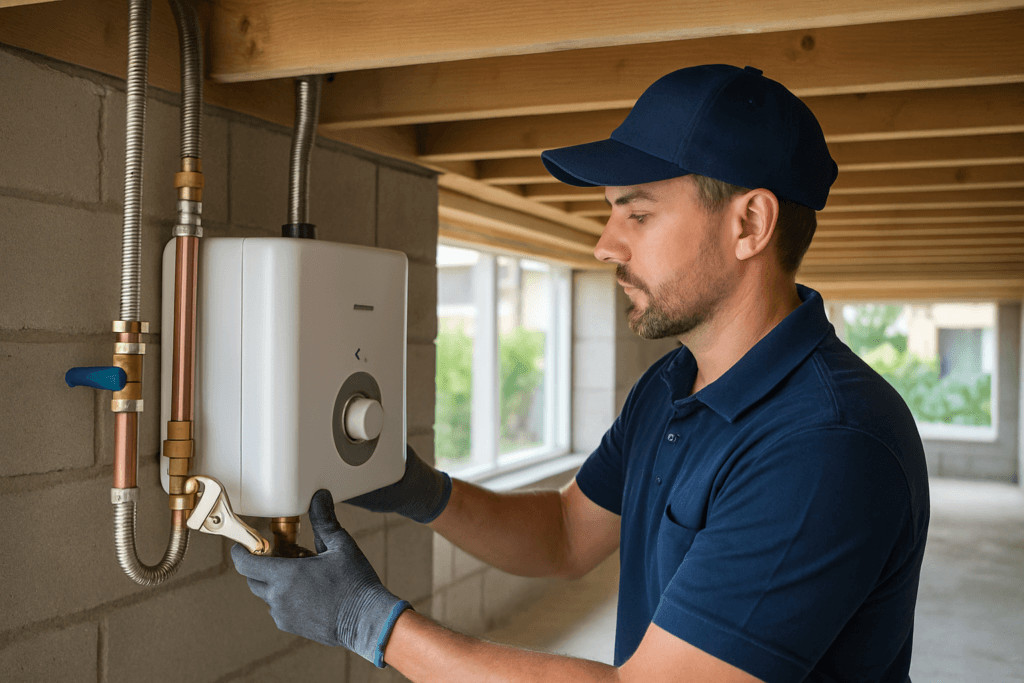
Tankless water heaters have become a go-to solution for townhome owners looking to maximize every inch of interior space. Instead of requiring a large tank, these systems heat water only as needed. As a result, they can often be wall-mounted within a compact utility closet or tucked discreetly into a crawl space, keeping floors and storage areas free for other uses. In Ybor City and broader Tampa, the small size and energy efficiency of tankless units make them especially attractive for homes built during the early twentieth century, where space is at a premium and electrical upgrades may be needed.
Installation of crawl space tankless systems often depends on accessibility, existing pipework, and the electrical or gas supply available. In some historic Tampa rowhouses, for instance, a technician may discover legacy pipes with narrower diameters that require adaptation during upgrades. Point-of-use water heaters represent another strong choice for specific areas like kitchens or bathrooms, where instantly hot water at the tap is both convenient and economical. These tiny units fit directly under vanities, making them almost invisible in a finished space.
Florida’s humidity and coastal salt air mean that corrosion remains a threat, especially in crawl spaces under townhomes. Choosing stainless steel or coated components is critical, and scheduling seasonal checks can ward off issues caused by rust or mineral scale. Hot Water Heroes Plumbing often recommends tankless models with digital controls, as these allow fine-tuning for local water conditions while ensuring maximum compactness and efficiency for modern townhome life.
Integrating Utility Closet Plumbing in Small Tampa Townhomes
Plumbing integration is often the deciding factor when selecting a space-saving water heater in Ybor City. Tight quarters mean every inch matters. Coordinating new units with existing supply lines, drains, and electrical connections requires both careful measurement and expert knowledge of older Tampa buildings. Many pre-1990s homes in the neighborhood have unique infrastructure quirks that create added challenges for installation projects.
One reliable approach is mapping out the entire utility closet plumbing system in advance, ensuring proper venting, pressure relief, and safe electrical hookups. Most building codes in Hillsborough County—updated periodically due to frequent storms and flood risk—require easy access to shutoff valves, pressure relief devices, and drain pans to protect both residents and property from potential leaks. In many Tampa homes built before the 1990s, finding that calcium buildup inside supply shutoffs is extremely common and can often be missed until a valve fails to close fully.
During upgrades, it’s essential to inspect for any signs of corrosion or previous storm runoff damage. In Ybor City, stormwater infiltration can result in elevated moisture within crawl spaces or near utility walls, accelerating wear on pipes and heater housings. An experienced plumber will know to check for salt air corrosion, especially in townhomes closer to the coast. Upgrading to modern PEX piping or rust-resistant valves can considerably extend the life of both the water heater and the entire house plumbing system.
When to Upgrade Your Water Heater in Historic Ybor City Homes
Knowing when it’s time to upgrade your water heater is essential for homeowners in Ybor City, where a significant number of properties date back several decades. Typical signs that your current system needs replacement include fluctuating water temperatures, rumbling noises from sediment buildup, visible rust around fittings, or extended recovery times after use. In Tampa, fluctuating water pressure caused by aging municipal infrastructure is another hint that your heater or plumbing system may need professional evaluation.
If your water heater is more than 10 to 12 years old, it’s smart to call for an inspection—especially in humid or coastal areas where corrosion can set in faster than expected. Inefficiency is another important clue: older units can account for a surprising portion of monthly energy bills, particularly if they’re fighting both sediment and mineral scale. Hot Water Heroes Plumbing has found that Tampa homeowners switching to space-saving, tankless, or compact electric units often report noticeably lower energy costs within the first few months of the upgrade.
For homeowners hesitant to replace a relatively new but underperforming heater, professional descaling and anode rod replacement can sometimes restore efficiency. In all cases, consulting with a licensed Tampa plumber familiar with Hillsborough County’s building codes, flood risks, and unique local water conditions is key. Decisions about repair versus replacement are rarely one-size-fits-all. For more info on tankless maintenance in hard water zones, see our guide to tankless water heater flushing for hard water in neighboring Riverview.
If you’re looking for expert help evaluating efficiency, placement, and space-saving water heater upgrades in your townhome, reach out to Hot Water Heroes Plumbing. Our team provides tailored advice and installation for homes across Tampa, Ybor City, and the greater Hillsborough County area. Every project receives a customized approach designed to maximize both comfort and property value.
Frequently Asked Questions
What Is the Best Space-Saving Water Heater Option for a Ybor City Townhome?
tankless or compact electric water heaters are typically the best fit for townhomes in ybor city due to their small footprint and efficiency. they can be mounted in utility closets or crawl spaces without taking up valuable living area. many tampa homeowners choose models that handle local hard water and humidity.
Can I Install a Water Heater in a Crawl Space?
yes, tankless water heaters are commonly installed in crawl spaces when utility closet space is tight. proper insulation and support are essential to withstand tampa’s humidity and coastal conditions. check with a local plumber for code compliance and safety tips in hillsborough county.
How Does Tampa’s Hard Water Affect Small Water Heaters?
hard water in tampa introduces minerals like calcium that can cause scale buildup, affecting efficiency and lifespan. regular maintenance and periodic flushing help prevent these issues. smaller heaters are often easier to access for descaling and maintenance tasks.
Are Point-of-Use Water Heaters Worth the Investment for Bathrooms?
point-of-use water heaters are a great way to provide instant hot water to sinks or showers without waiting for long pipe runs. these units save space and energy in urban townhomes. many tampa property owners use them to supplement primary water heaters, especially in older homes.
Which Plumbing Codes Should Tampa Homeowners Keep in Mind for Water Heater Installation?
plumbing codes in tampa and hillsborough county emphasize safe water heater placement, proper venting, and earthquake-resistant bracing. utility closet installations must allow access to shutoff valves and pressure relief components. consult a licensed plumber to ensure all requirements are met during installation.