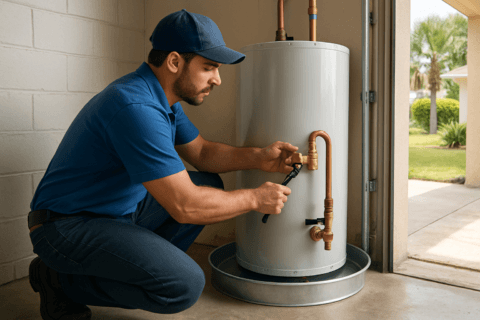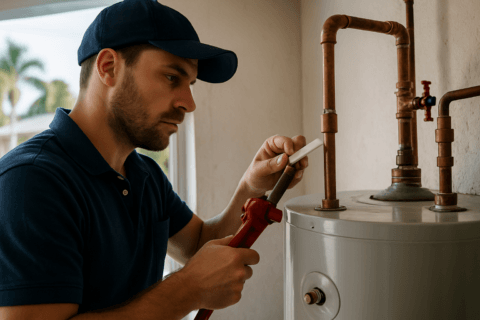
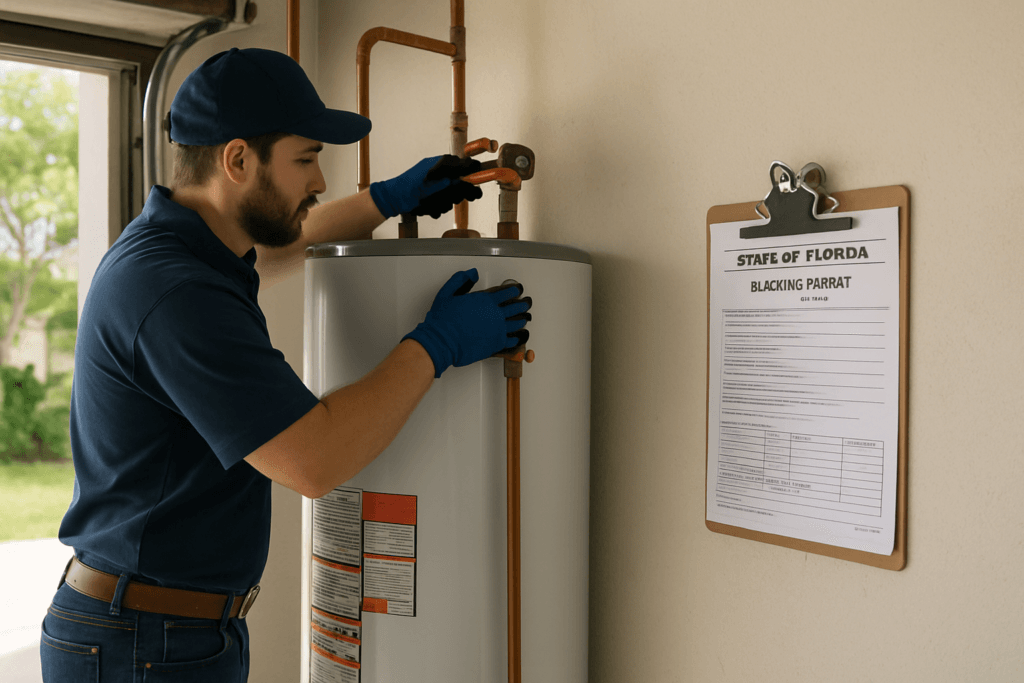
For Tampa homeowners, installing a new water heater might seem like a straightforward weekend project—especially as Florida’s humid climate and hard water accelerate tank aging. However, skipping the official permit process can lead to severe financial, legal, and insurance consequences. Knowing the risks of installing a water heater without a permit in Florida can help protect your investment, safety, and peace of mind. Whether you live in Tampa, Temple Terrace, or anywhere in Hillsborough County, understanding Tampa’s specific plumbing code enforcement is crucial before tackling that next upgrade.
- Quick Checklist
- Why Water Heater Permits Matter in Tampa
- Building Department Fines in Tampa & Hidden Costs
- How Permit Issues Can Cause Homeowners Insurance Denial
- Plumbing Code Violations & Home Sale Inspection Surprises
- Frequently Asked Questions
Quick Checklist
- check Hillsborough County permitting requirements before starting work
- ensure installer is licensed for Tampa plumbing code compliance
- retain permit and inspection paperwork for insurance and resale
- verify water heater matches Florida energy standards
- schedule city inspection after installation is finished
Why Water Heater Permits Matter in Tampa
Permits for water heater installation exist to protect the safety and health of every Tampa resident. Local building departments review each project to ensure proper venting, pressure relief, and seismic strapping—especially important in aging Tampa homes where plumbing infrastructure may not meet modern code. Skipping this process not only risks your safety but can also create hidden hazards like leaky gas lines or improper electrical hookups. Humidity and seasonal storms in Florida make following official standards even more vital, given the area’s tendency for corrosion and sediment buildup from hard water.
Most municipalities in the Tampa Bay area, including Temple Terrace and Brandon, explicitly prohibit unpermitted water heater replacement. The City of Tampa’s plumbing code updates regularly to address hard water minerals and coastal salt air effects unique to Florida. Homeowners often discover too late that unpermitted installations are a common red flag during required real estate inspections. Even if you have years of DIY experience, Florida law is clear: water heater replacement is not exempt from permit requirements.
An experienced plumber knows that rapid pressure changes from sudden storms can worsen leaks in poorly installed tanks. In many Tampa homes built before the 1990s, calcium deposits and old piping combine to increase the risk of unnoticed system failure—especially if no inspector checks the work. Tampa’s building department is diligent in protecting the water supply and ensuring all connections meet EPA drinking water guidance set for our region.
Building Department Fines in Tampa & Hidden Costs
Ignoring permitting rules might seem like a way to save a few hundred dollars, but those savings disappear fast once fines and penalties come into play. Tampa’s building department fines can range from $250 to well over $1,000 for each plumbing code violation tied to an unpermitted water heater. If city inspectors discover the installation—either by a complaint, insurance claim, or routine neighborhood inspection—they can require a full removal and reinstallation under permit. This can double or triple your original cost and extend the time you’re left without hot water.
The hidden costs often go beyond the initial penalty. You might be responsible for professional engineering reports or remedial repairs to bring your home back up to code. Unlicensed or inexperienced work increases the likelihood of failing an after-the-fact inspection, leading to further required upgrades. Many Tampa homeowners underestimate how quickly penalties and correction expenses add up—especially when dealing with multiple code infractions after bypassing required city reviews.
Even small details matter. In one Tampa Bay home, a technician recently observed a new water heater with reversed temperature and pressure relief valve placement—a seemingly minor mistake, but one that could only have been caught with proper permitting and inspection. Hillsborough County inspectors see these issues weekly, and recurring storms raise the stakes by testing older plumbing for sign of leaks or corrosion. It’s never just the immediate fine that hurts; it’s the cascade of fixes and delays that follow cutting a corner.
How Permit Issues Can Cause Homeowners Insurance Denial
Many homeowners assume their insurance company will have their back in case of water damage from a failed heater, but the reality in Florida is more complicated. If you installed a water heater without securing the proper permit, your homeowners insurance provider may reject a claim outright. Insurers typically require proof of permitted installation before covering a burst tank, major leak, or resulting property damage, because unpermitted work is classified as a material misrepresentation or unauthorized modification.
This leaves Tampa homeowners exposed to paying for expensive flood remediation, mold removal, or even structural repairs out of pocket. Insurance carriers often react by raising premiums or excluding water damage from future policies. Worse yet, if an unpermitted installation triggers an electrical or fire hazard, liability for damages may fall solely on the homeowner—not the insurer—even if you believed the work was done correctly. In one real-world case, a local resident’s insurance claim was denied after a corroded tank burst, because inspection records showed the replacement wasn’t permitted through the city.
Florida’s coastal salt air, notorious humidity, and frequent lightning strikes all heighten the risk of water heater failure and related hazards—magnifying the importance of having clear documentation for every major plumbing upgrade. Retaining permit paperwork not only ensures code compliance but also strengthens your insurance protection. If you’re not sure whether your current water heater was properly permitted, reaching out to a licensed Tampa plumber is the wisest first step. Learn more about water heater maintenance, like anode rod replacement, at our detailed guide here.
Plumbing Code Violations & Home Sale Inspection Surprises
Trying to sell a home in Tampa or across Hillsborough County? An unpermitted water heater installation can bring your transaction to a screeching halt during the buyer’s inspection. Licensed home inspectors and appraisers always check major appliances for permit records. If there is no permit on file for your water heater, lenders may refuse to finance the mortgage and buyers could back out, forcing last-minute repairs or multiple rounds of negotiation. The process to rectify plumbing code violations ahead of closing is often stressful and expensive, especially in competitive Tampa Bay real estate markets where timing and first impressions matter.
This isn’t just a hypothetical risk. Tampa’s market is packed with homes from the 1970s, ‘80s, and ‘90s that now face resale scrutiny for plumbing upgrades, especially those not completed under the latest Florida codes. Plumbing code violation notices can stick with your property record, requiring legal affidavits or retroactive permits—which are rarely granted without expensive corrections. Real estate experts routinely advise homeowners to ensure all water heater work is fully documented well before listing a home for sale.
Even if you plan to stay put, allowing a code violation to fester can invite city citations and impact property value for years. Repeated exposure to hard water minerals, persistent storm runoff, or coastal air corrosion can all worsen issues for systems installed without quality checks. Working with a licensed professional and securing permits actually saves money, time, and frustration—no matter when you plan to sell. For expert support, explore our water heater service options in Tampa and stay prepared for any inspection challenge.
Navigating Tampa’s permitting and plumbing codes may feel overwhelming, but you don’t have to do it alone. At Hot Water Heroes Plumbing, we handle every step—from pulling permits to passing city inspection—so you’re protected against fines, insurance issues, and future resale headaches. As Tampa’s trusted experts, we know local code, water conditions, and have helped hundreds of families avoid costly mistakes. Ready to upgrade your water heater safely and legally? Contact our licensed team now for a no-obligation consultation.
Frequently Asked Questions
Do I Really Need a Permit for a New Water Heater in Tampa?
yes, tampa and most florida cities require an official permit for any water heater replacement to meet local plumbing code and ensure safety. skipping the permit process can result in fines, refused insurance claims, and legal liabilities during home resale.
What Are the Penalties for an Unpermitted Water Heater Installation?
penalties in tampa typically include building department fines starting at $250 and can reach over $1,000 per incident. additional costs may include mandatory professional corrections, engineering reports, or removal and correct reinstalling of the water heater.
How Could This Impact My Homeowners Insurance?
if your insurer discovers that the water heater was installed without a permit, they may deny coverage for leaks, floods, or fire damage associated with the system. this could leave you personally responsible for expensive repairs or property loss.
Will Plumbing Code Violations Delay Selling My Home?
unresolved permit or code violations related to water heater upgrades frequently cause closing delays in tampa-area home sales. buyers and lenders typically require documented proof of permitted work before approving a sale or mortgage.
Is Professional Installation Worth the Cost in Florida?
professional water heater installation with proper permitting saves you money in the long run by avoiding fines, insurance issues, and code violations. the process ensures your system is safer and more reliable in tampa’s unique climate conditions.