If you’ve spotted a water stain on your ceiling in Tampa or around the Bay area, it’s crucial to determine the source before calling for repairs. Diagnosing whether it’s a roof leak or a plumbing issue is the first step to preventing ongoing damage from humidity, storms, and Tampa’s coastal climate. Use this comprehensive water stain on ceiling troubleshooting guide tailored for Tampa homes to make the right call, avoid unnecessary costs, and safeguard your biggest investment.
- Quick Checklist
- Decision Flowchart: Roof Leak vs Plumbing Leak
- Second Floor Bathroom Leak Clues in Tampa Homes
- Pipe Sweat, Insulation, and Ceiling Water Damage
- Ceiling Repair and Prevention Strategies in Tampa
- Frequently Asked Questions
Quick Checklist
- check for recent storms or wind-driven rain before investigating a stain
- look for plumbing lines or bathrooms directly above the affected ceiling
- smell for musty odors that often signal ongoing pipe or roof leaks
- inspect for bulging, sagging, or active dripping which indicate serious water buildup
- touch the area to see if it feels damp, cold, or only discolored
Decision Flowchart: Roof Leak vs Plumbing Leak in Tampa
Deciding between a roof leak and a plumbing leak begins with careful observation and understanding how Tampa’s volatile weather can affect your property. After a heavy Florida rain, if you notice a new water stain, suspect your roof first—especially in older Tampa Bay homes where aged shingles and flashing are common. However, if the stain appears randomly or after using appliances or bathrooms upstairs, the culprit could be a pipe hidden in the ceiling.
The next factor to consider is location. In many Tampa homes, water stains close to exterior walls often trace back to roof or gutter issues, especially if salt air corrosion has weakened roofing nails or flashing. If the stain is centered beneath a bathroom or kitchen, there’s a strong chance a plumbing line is leaking, or condensation is forming from pipe sweat—an issue worsened by Tampa’s humidity and hard water mineral buildup in old copper pipes. Mineral deposits can restrict water flow, leading to unexpected leaks along pipe joints.
One technician recently noted that water stains on ceilings below second floor bathrooms in Tampa’s historic districts are almost always linked to worn-out wax rings or cracked drain pipes. This kind of experience-based knowledge can save hours of unnecessary repairs and target solutions precisely where they’re needed most. If you can time the appearance of stains to activities like showering or running laundry, plumbing is almost certainly the issue. If your stains worsen after rain, focus your investigation on the roof.
Second Floor Bathroom Leak Clues in Tampa Homes
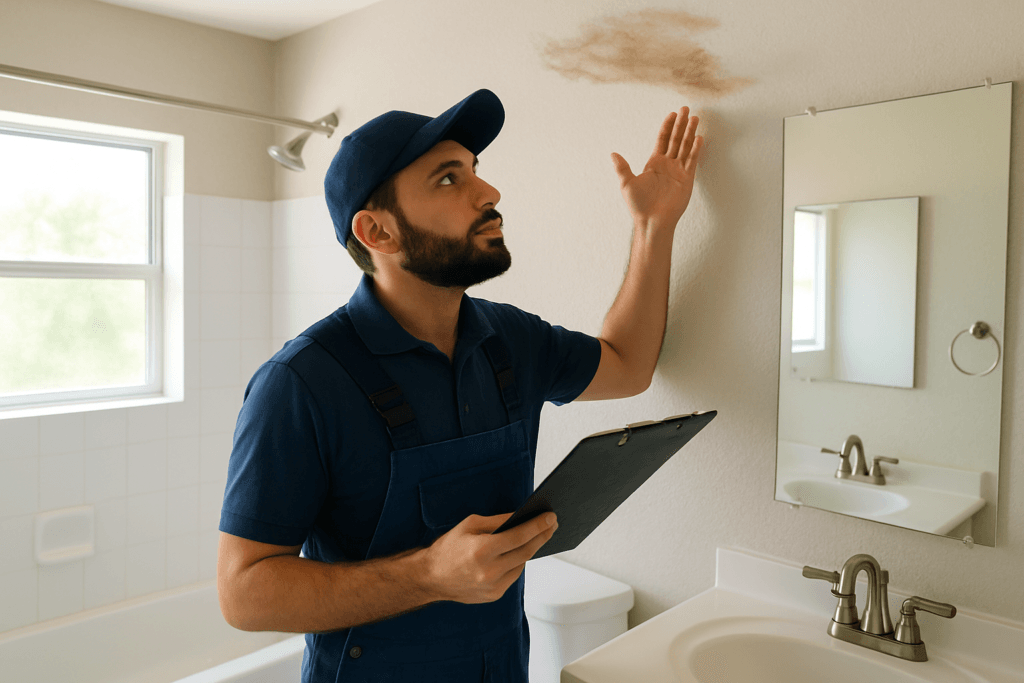
A second floor bathroom leak is a frequent hidden cause of water stains on ceilings for Tampa residents. When the leak is minor, you might only notice a faint yellow or brown discoloration that gradually spreads. Tampa’s humidity can make even small drips from a loose pipe fitting turn into ongoing stains, as evaporating water is slower in moist air. The risk increases in pre-1990s Tampa homes with older galvanized or copper plumbing, which is more likely to corrode in Florida’s salty coastal air.
Another giveaway is the appearance of stains right below showers, tubs, or toilet rooms. Sometimes, failure of a shower pan or cracked grout allows water to seep below tile and into the subfloor. Leaks can also occur in the drain assembly or in the supply line, hidden behind walls, making detection tricky for homeowners. If you suspect a second floor bathroom leak, check for movement in the bathroom floor or vinyl, lingering damp smells, and areas where paint or drywall feels soft to the touch. Keep in mind that Tampa’s hard water can accelerate gasket and seal wear, making these problems more common here than elsewhere.
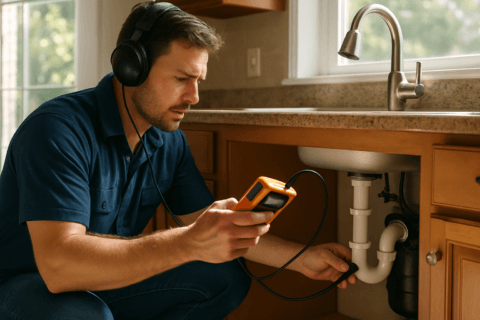
If you hear a faint dripping sound at night or see paint bubbling below a bathroom, it’s time to get a professional involved before ceiling repair costs in Tampa begin rising. Remember, many local plumbers use electronic leak detection, a non-destructive method that quickly targets leaks behind ceilings—learn more about that technology in our recent blog. Ignoring small second floor leaks can turn a $300 Tampa repair into a $2,000 ceiling and cabinetry replacement after just one summer storm season.
Pipe Sweat, Insulation, and Ceiling Water Damage
Pipe sweat, or condensation on plumbing lines, is an underestimated cause of ceiling stains in Florida homes. Tampa’s subtropical humidity and air conditioning make the perfect environment for pipes to sweat, particularly cold water pipes running through warm, uninsulated spaces. When this happens above finished ceilings—like those beneath bathrooms or kitchens—it can result in “mystery stains” that often confuse homeowners.
The issue is worse in houses lacking pipe sweat insulation or with deteriorated insulation materials often found in vintage Tampa construction. If insulation slips or breaks down, moist air condenses on pipes whenever cold water is running, creating drips that mimic pinhole leaks. Landlords in Hillsborough County have reported seeing mildew development on top of insulation batts, which hides the problem until water finally leaks through. Homeowners are sometimes surprised to discover insulation caked with calcium deposits—a sign of hard water vapor condensing and evaporating on pipes year after year.
Preventing pipe sweat is straightforward but essential for lasting ceiling repairs: always insist on proper pipe insulation during any plumbing repair or remodel. In Tampa, this not only protects against stains but also keeps your pipes from corroding due to the mix of hard water and salty air. When scheduling a fix, ask your technician to address both the leak source and the overall insulation—otherwise, stains may reappear even after a new ceiling goes up.
Ceiling Repair and Prevention Strategies in Tampa
Once you’ve identified the source of your ceiling stain, proper repair and prevention are key to avoiding recurrence. Tampa’s unique blend of weather extremes, hard water, and city plumbing codes means taking shortcuts often leads to recurring water issues and higher costs down the line. One critical step: ensure all water-damaged drywall is cut out and replaced rather than simply painted over. Beneath every visible stain could be hidden mold or wood rot, aggravated by Tampa’s persistent humidity.
Next, address the root problem—whether it’s a roof defect, failing bath waterproofing, or an unchecked pipe leak. Licensed Tampa plumbers are required to follow Florida’s codes, which dictate minimum access and materials standards for all water lines. Make sure replacement materials (such as new valves or pipes) are rated for use in Florida’s mineral-rich water supply, especially in homes serviced by older infrastructure. Even simple pipe repairs should include anti-corrosion treatments to combat salt air if you’re near the coast.
If your repair involves structural damage or mold, Tampa’s ceiling repair specialists typically charge between $350 and $1,200 depending on the extent of the water loss and the area affected. For homeowners, investing in proactive measures—upgrading pipe insulation, monitoring attic ventilation, and sealing all bathroom fixtures—can prevent future headaches and protect your home’s resale value. For reliable plumbing repairs, visit our water leak repair page to book a local Tampa expert. And always stay informed on safe water practices by reviewing EPA drinking water guidance for your area.
If you notice ongoing moisture, frequent plumbing issues, or need help tracing a stain, Hot Water Heroes Plumbing is Tampa’s trusted partner for leak detection and repair. Our licensed local plumbers know the unique challenges of Tampa, from salt air corrosion to aging pipes and hard water problems. We keep your home dry, safe, and headache-free—contact us today for a comprehensive inspection and peace of mind.
Frequently Asked Questions
How Do I Know If My Ceiling Water Stain Is From a Roof Leak or a Plumbing Leak?
look for the location of the stain and when it appears. if it’s under a bathroom or kitchen, or appears after using plumbing, it’s likely a plumbing leak. if the stain appears after rain or is near exterior walls, a roof leak may be the source.
What Should I Do First If I Find a Water Stain on My Ceiling in Tampa?
the first step is to note any recent rainstorms or plumbing usage and check for dampness or active dripping. shut off water to affected areas if a plumbing leak is suspected. call a tampa plumber to prevent further damage and mold.
Can Pipe Sweat Really Cause Ceiling Water Stains in Florida?
yes, especially in tampa’s humid air and air conditioned homes. uninsulated cold pipes can condense moisture, leading to stains even if no pipes are leaking. proper insulation prevents this problem in most cases.
How Much Does Ceiling Repair Cost in Tampa After a Water Leak?
on average, tampa homeowners pay between $350 and $1,200 for ceiling repair, depending on the extent of the damage. prompt leak repair lowers total costs by limiting ongoing moisture and potential mold issues.
Where Can I Learn More About Advanced Leak Detection Methods?
you can read our blog on electronic leak detection on our website. this method helps pinpoint hidden leaks in tampa-area homes without causing extra damage to your drywall or floors.