For Tampa homeowners, tap water safety is more than just a passing concern—it’s something that directly impacts families every single day. Between Florida’s hard water minerals, seasonal storm runoff, and the city’s reliance on municipal chloramine treatment, there’s a lot to unpack about what comes out of your faucet. Whether you’re worried about aging plumbing or interested in the latest Tampa water quality report, here’s an investigative look at your drinking water, municipal filtration facts, and how professional plumbing solutions can help.
- Quick Checklist
- How Municipal Filtration Shapes Tampa Tap Water Safety
- Understanding the Latest Tampa Water Quality Report
- When to Consider Whole Home Filtration in Tampa
- Quick Checklist
- Frequently Asked Questions
How Municipal Filtration Shapes Tampa Tap Water Safety
Most Tampa residents depend on municipal water that draws from the Hillsborough River, with surges supplied from local aquifers during dry spells. The city’s main filtration process uses a mix of sand, charcoal, and advanced filtration to remove sediment and other particulates. Yet, because Florida waters naturally carry higher levels of calcium and magnesium, hard mineral content is often still present when the water reaches your tap. This same process can leave behind stubborn deposits, which plumbers most commonly see as scale in fixtures and heaters.
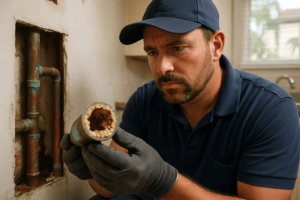
City water in Tampa does not typically have a noticeable odor or taste, in large part thanks to the use of chloramine—a blend of chlorine and ammonia—for disinfection. While chloramine is less harsh than pure chlorine, it’s highly effective at neutralizing pathogens that thrive in Florida’s warm, humid conditions. However, this treatment can occasionally interact with older copper pipes or pre-1990s galvanized lines, sometimes leading to unexpected color changes or metal leaching if plumbing has degraded.
Florida’s climate also means that heavy rains and hurricane season can impact water supply more than in other states. After large storms, municipal filters work overtime to keep sediment and biological contaminants in check, but surges in runoff can sometimes push the system to its limits. In many Tampa homes built before the 1990s, calcium buildup inside drain traps is extremely common and often goes unnoticed until drainage slows significantly.
Understanding the Latest Tampa Water Quality Report
The Tampa water quality report, released annually, tells an in-depth story about what’s actually in your water. In 2023, the City of Tampa’s Consumer Confidence Report showed that contaminant levels—including lead, copper, and disinfectant byproducts—remained below EPA safety thresholds. Chloramine residuals were closely tracked to ensure effective disinfection, even in fluctuating temperatures typical of coastal Florida summers.
Tampa’s water quality report also highlights trace minerals present from the source and those potentially picked up in home plumbing systems. While nearly all results fall within safe limits, aging plumbing infrastructure in South Tampa and Temple Terrace sometimes means localized variations. Plumbers sometimes discover greenish-blue stains in sinks or pinhole leaks in copper, usually linked to pH imbalances or prolonged contact with treated water—particularly in pipes installed before 1987, when plumbing codes changed.
The water report further details steps the city is taking to monitor for emerging contaminants, including pharmaceuticals and industrial byproducts that can enter waterways during periods of heavy rain and runoff. In our years of experience, homeowners are often surprised to learn that sediment buildup in water heaters is not just a nuisance but actually a sign of these municipal processes at work. For the most up-to-date safety standards and regulatory news, you can always review official EPA drinking water guidance.
When to Consider Whole Home Filtration in Tampa
Living in Tampa means dealing not only with city-supplied water but also the influence of Florida’s geography and climate. While municipal filtration and chloramine keep water microbiologically safe, whole home filtration provides an added layer of protection, especially if you notice taste, smell, or visible sediment. In coastal neighborhoods—from Davis Islands to Carrollwood—salt air corrosion is another factor, and filters designed for hard water and chlorine removal are invaluable.
Whole home filtration systems can filter out remaining chlorine byproducts, neutralize stubborn hard minerals, and catch sediment stirred up by storm surges. These systems are particularly recommended for homes with aging pipes or those who rely on well water during droughts. Florida plumbing codes encourage backflow preventers and anti-siphon devices, but filtration goes a step further by addressing tap quality at the point of entry.
Local plumbers have noticed a trend in recent years: households installing multi-stage systems are seeing extended lifespan in both plumbing fixtures and water heaters. Scale reduction is a common result, meaning fewer calls for hot water element replacements or fixture corrosion. An experienced plumber might point out that sediment fouling on water heater elements can reduce efficiency by as much as 20 percent—costing you more in energy over time. For an in-depth look at modern water heater technology, check out our article on hybrid heat pump water heaters in Tampa.
Quick Checklist
- run your tap for 30 seconds each morning to clear lines
- inspect faucet aerators monthly for signs of scale or debris
- ask for a copy of tampa’s latest water quality report each year
- consider whole home filtration if you notice taste or odor changes
- have a plumber inspect pipe condition in pre-1990s homes
Take Action for Safer Drinking Water in Tampa
If you’re concerned about Tampa tap water safety and want a professional assessment, Hot Water Heroes Plumbing has the local knowledge you need. Our licensed plumbers understand the unique challenges of Florida’s water and can recommend practical solutions—whether it’s a comprehensive whole home filtration system, targeted fixture repairs, or interpreting the city’s water quality data for your specific neighborhood. Tampa’s water is treated to high standards, but many homes still benefit from a customized plumbing evaluation tailored to local conditions. For reliable, expert plumbing services, visit our Tampa plumbing page today to schedule a consult. Proactive care can mean the difference between a costly repair down the road and peace of mind every time you turn on the tap.
Frequently Asked Questions
How Safe Is Tampa’s Tap Water for Drinking?
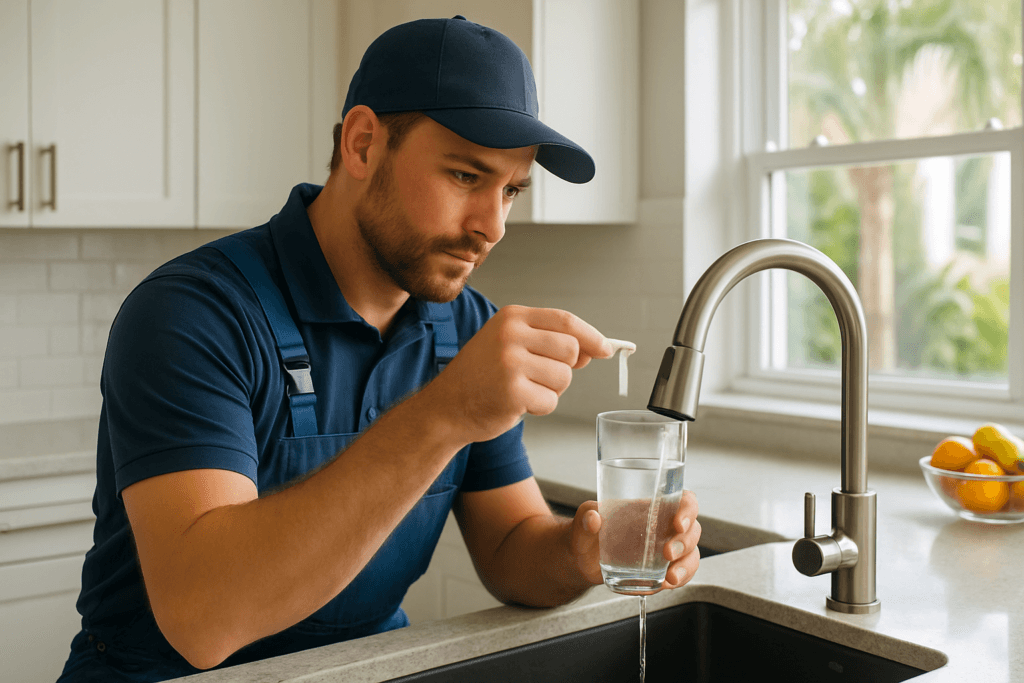
tampa’s tap water is treated to meet federal safety standards and is generally safe for drinking. municipal treatment includes chloramine to ensure pathogens are neutralized. aging home plumbing can impact taste or residual metals, so filtering and periodic testing are still recommended. many tampa families choose additional filtration for peace of mind.
What Does the Tampa Water Quality Report Reveal?
the tampa water quality report details annual contaminant testing and compliance with epa regulations. it breaks down levels of lead, copper, hard minerals, and disinfectants found in city water. while results are consistently below action thresholds, small variations can occur in older homes. reviewing the report lets homeowners stay informed about local water quality trends.
Why Does My Water Smell Chlorinous After a Storm?
after heavy rain or storm events, tampa’s treatment plant may boost disinfection to address runoff. this can lead to a faint chlorine or chloramine smell, which usually dissipates after flushing your lines. persistent odors should be evaluated by a plumber, as they may indicate more than just routine treatment.
Should I Install Whole Home Filtration in Tampa?
whole home filtration is a worthwhile investment in tampa, especially for homes with hard water, aging pipes, or recurring sediment. it can improve taste and reduce scale buildup, extending plumbing life. families with sensitive health needs or who notice tap water changes often benefit the most from such systems.
How Much Does Professional Filtration Installation Cost?
the cost for whole home filtration installation in tampa typically ranges from $1,200 to $3,000, depending on system complexity. factors include home size, existing plumbing, and filter features. a local plumber can assess your needs and provide an exact estimate tailored to tampa-area water conditions.