Most Tampa homeowners never expect their toilet to cost them money in hidden ways, but a silent toilet leak can waste hundreds of gallons each month. If you suspect your toilet tank may be leaking but can’t hear water running, the silent toilet leak test with food coloring is an easy, effective way to catch problems before they drain your wallet or cause bigger plumbing headaches. Discover how to DIY a toilet leak check in under 10 minutes using common kitchen supplies, and why ongoing vigilance is vital for Florida homes relying on the Tampa municipal water supply.
- Quick Checklist
- Why the Silent Toilet Leak Test with Food Coloring Works So Well
- Common Toilet Leak Culprits in Tampa Homes
- DIY Steps for Food Coloring Leak Detection in Your Tampa Toilet
- Water Waste and Environmental Impacts from Toilet Tank Leaks in Florida
- Frequently Asked Questions
Quick Checklist
- turn off any bathroom fans so you can listen for running water
- remove the tank lid and carefully place it on a towel or soft surface
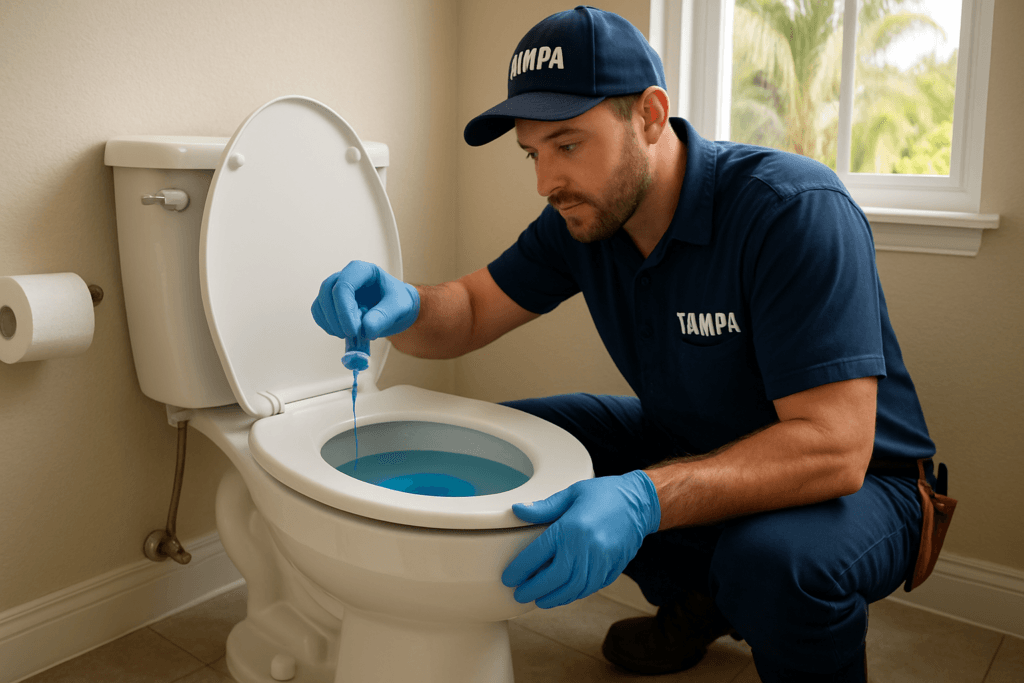
- add several drops of dark food coloring to the tank, not the bowl
- wait 20-30 minutes without flushing for best results
- check the bowl for color seepage, indicating a leak
Why the Silent Toilet Leak Test with Food Coloring Works So Well
Many Tampa residents aren’t aware that toilet leaks can be completely silent, meaning traditional listening methods often miss them. Toilets with aging or worn-out flapper valves frequently have these ‘ghost’ leaks. Hard water, high humidity, and coastal salt air common in Tampa contribute to flapper deterioration and rubber seal failure over time. Because leaking isn’t always audible, saving water becomes a challenge until visible signs appear—like water trickling in the bowl or an unexplained bump in your water bill.
The food coloring leak test is simple, safe, and highly visible. By adding a few drops of bright dye into your toilet’s tank water, you can track even the smallest leaks. If colored water appears in the toilet bowl after 20 to 30 minutes without flushing, there’s a clear path from the tank into the bowl—typically right past a decayed flapper or corroded valve seat. The vivid color provides an unmistakable indication of water moving where it shouldn’t be, alerting homeowners to seek prompt repairs.
Tampa’s variable water chemistry—affected by storm runoff, hard minerals, and Florida plumbing codes—means that even recently replaced parts may not last as long as expected. Technicians often notice faint pink or blue lines in bowls as telltale signs of ongoing drips caused by aging infrastructure, especially in pre-1990s homes across Tampa and Hillsborough County. The silent toilet leak test with food coloring offers every homeowner a proactive way to spot sneaky leaks on a schedule that fits their busy lives.
Common Toilet Leak Culprits in Tampa Homes
In Tampa, the most common source of a silent toilet leak is a worn or misaligned flapper. The flapper acts as a barrier to keep water inside the tank until you flush. Over time, hard water laden with calcium and magnesium—prevalent throughout Florida—causes these rubber parts to harden, lose their shape, or develop mineral build-up. Even when they appear functional at first glance, they may fail to create a tight seal and let water pass undetected.
Another frequent issue is the fill valve, which controls water flow back into the tank after each flush. A malfunctioning or sediment-clogged fill valve may let water spill over into the overflow tube, creating a constant backflow from tank to bowl. This situation is especially common in older Tampa homes where sediment from aging pipes and the municipal supply accumulate, increasing the frequency of running toilet repair calls.
Corrosion from Tampa’s salty coastal air and seasonal humidity can attack metal tank components and mounting bolts, leading to subtle leaks around the flush valve or gaskets. A field technician recently reported discovering a harsh green mineral crust inside a South Tampa home’s older tank, masking a steady leak that had been silently wasting water for months. Because many of the city’s houses were built before 1990 and haven’t had a tank upgrade since, these silent leaks often go unnoticed until a professional inspection or a spike in the water bill brings them to light.
DIY Steps for Food Coloring Leak Detection in Your Tampa Toilet
Performing a silent toilet leak test at home is both safe and cost-effective. Begin by removing the lid from your tank and placing it on a soft towel to avoid cracking porcelain. Select a dark shade of food coloring—blue, red, or green—to ensure the results will be easy to spot. Next, add three to five drops directly into the clean tank water. Refrain from flushing and avoid using the bathroom for about 30 minutes to allow the dye to settle.
After the waiting period, inspect the toilet bowl. If any colored water is present, a leak is pulling water from the tank to the bowl without flushing. This unmistakable evidence points to a bad flapper, a worn valve seal, or sediment interfering with the tank’s ability to hold water. In many Tampa homes built before the 1990s, calcium buildup inside flapper seating is extremely common and usually goes unnoticed until water bills climb or the food coloring test finally makes the issue visible.
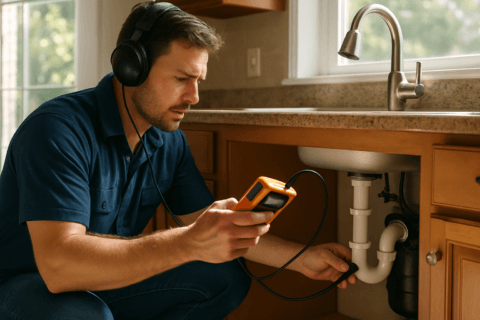
For best results, the test should be performed every few months, especially if your property is older, sees high bathroom usage, or is located in a flood-prone or high salt-air zone near Tampa Bay. After a positive result, check the flapper first, then the fill valve. DIY replacements are possible for most homeowners using local hardware store kits, but leaks that persist may indicate a more complex issue—especially if corrosion or scale is widespread. In these cases, scheduling a prompt inspection with a licensed Tampa plumber like Hot Water Heroes Plumbing ensures both code compliance and long-term protection against future damage. To learn more about advanced leak detection methods, read our guide on electronic leak detection technology.
Water Waste and Environmental Impacts from Toilet Tank Leaks in Florida
It only takes a small flapper leak in your toilet to waste dozens of gallons a day in Tampa’s homes. Over a month, this can total over a thousand gallons per toilet—a cost that adds up quickly, especially on the municipal water utility bill. Many Tampa residents are surprised the average silent leak adds $15 to $40 every month, and with multiple toilets, this impact multiplies.
Water conservation is especially important in Hillsborough County and the greater Tampa Bay area, given frequent drought advisories and regional efforts to protect our prized aquifers. Small leaks from a toilet tank may seem minor, but collectively, they strain the local supply and add pressure to aging water treatment infrastructure. Water lost through leaks is water paid for but never utilized, making a silent leak one of the most avoidable sources of waste for Tampa families.
Beyond personal cost, unnecessary water waste can contribute to local flooding and overburden the region’s storm runoff systems, especially during high-rainfall seasons. Preventing leaks in your home not only helps your budget but also supports broader community and environmental goals. To learn more about the importance of safe water practices, view the EPA drinking water guidance. And for professional water leak repairs or upgrades, visit our main leak detection and repair service page.
If you discover a leak during your DIY food coloring test, don’t delay repairs. Experienced Tampa plumbers can efficiently diagnose and fix even stubborn toilet leaks, often within a single service call. In some cases, updating aging tanks, flappers, or valves can be more cost effective than repeated repairs, particularly for homes built prior to the 1990s in neighborhoods with older infrastructure.
Frequently Asked Questions
How often should I perform the silent toilet leak test with food coloring?
for most tampa homes, running this test every three to four months is a good rule of thumb. if you have older plumbing, live near tampa bay, or notice unexplained water bill increases, check more frequently. periodic checks help catch leaks before they cause high costs or water damage.
What is the main sign of a flapper leak toilet?
the telltale sign is colored water appearing in the bowl after the food coloring test, even if you haven’t flushed. this usually points to a bad flapper seal. continuous tank refilling or faint trickling sounds can be additional signals of a slow leak.
Is it safe to try diy leak detection in my tampa home?
yes, using food coloring to check your tank is completely safe and non-toxic. be careful when handling the tank lid and avoid using excessive dye. if you spot persistent leaks or corrosion, consult a licensed local plumber for repairs that comply with florida plumbing codes.
How much water can a silent leak waste monthly?
even a small flapper leak can lose over 1,000 gallons per month in tampa homes. that level of water waste quickly leads to higher bills and can worsen during periods of high household use or if undetected for several months.
Should I repair or replace an old, leaking toilet in tampa?
if repairs are frequent or parts are severely corroded, replacement may be most cost effective long-term, especially in older homes. tampa plumbers can help you weigh local code requirements, water efficiency needs, and the age of your home’s plumbing before deciding.