Signs your water heater is about to fail: what Tampa homeowners need to know
If you live in Tampa and you’re noticing less hot water, strange noises, or rusty water, those could be early signs your water heater is about to fail. Catching problems early reduces repair bills and prevents cold showers at the worst times—especially after storms or power surges common in this region.
Quick Checklist
- Cloudy or rusty hot water
- Persistent leaking at the tank base
- Loud banging, popping, or rumbling noises
- Fluctuating or inadequate hot water
- Unit age over 8–12 years
Common Causes — Why this happens
Understanding the local causes helps Tampa homeowners take targeted action. Several Florida-specific factors accelerate wear and create the most common failure modes:
- Hard water deposits: Tampa water has higher mineral content than many national averages, so scale builds on heating elements and inside tanks, reducing efficiency and causing overheating.
- Coastal salt air: In Tampa Bay neighborhoods, salt-laden air accelerates corrosion on external fittings and the tank exterior, shortening component life.
- Humidity and heat: Constant humidity stresses insulation and electrical components faster than in cooler climates.
- Storm damage and power surges: Frequent summer storms and lightning can damage thermostats, heating elements, and control boards.
- Aging plumbing systems: Older homes in Hillsborough County may have original piping and water heaters that are simply past expected service life.
How to recognize the signs early
Some problems announce themselves gradually. Rusty or cloudy hot water usually means internal corrosion or a failing anode rod. Loud popping or rumbling is almost always mineral buildup creating hot spots inside the tank. Persistent leaks at the pressure relief valve, plumbing connections, or the tank seam mean irreversible damage and risk sudden failure. If your pilot light keeps going out or you notice a drop in temperature consistency, the thermostat or heating elements are likely failing.
When to repair vs replace: practical guidance for Tampa homes
Deciding between repair and replacement depends on age, the nature of the fault, and local cost expectations. For Tampa homes, use these rules of thumb:
– Repair when the unit is under 8 years old and the issue is isolated (e.g., a single heating element, thermostat, or a replaceable valve). Repairs are cost-effective if the heater has been maintained and shows no signs of internal rust or multiple failures.
– Replace when the tank is leaking, the unit is 10+ years old, or there are multiple failing components. Corrosion inside the tank, repeated pilot or element failures, or large-scale sediment buildup usually justify replacement.
For detailed assessment, read our guide to signs your water heater is about to fail to determine the practical next steps for your home.
Local cost expectations and Florida-specific factors
Costs in Tampa vary with type (tank vs tankless), capacity, and complications from local conditions. Expect these typical ranges for full-service work in Tampa and the surrounding Tampa Bay area:
– Repair: $150–$650 for common fixes like thermostats, heating elements, or valves. Hard-water-related element replacements tend toward the higher end.
– Replacement: $900–$2,500 for standard residential tank units (installation, permits, disposal). High-efficiency or large-capacity tanks, and tankless systems, can run $1,500–$4,000 or more.
Compared to national averages, Tampa sees slightly higher replacement costs for tankless units due to elevated demand and increased labor associated with coastal corrosion mitigation. Also factor in potential surge protection after storms—adding a whole-house surge protector is a good investment where lightning and power fluctuations are common.
When to call a professional
Call a licensed plumber if you notice leaks, rusty water, persistent noises, or if the unit is older than eight years. In Tampa, we recommend professional inspection after major storms, if you smell gas (for gas units), or if you experience repeated shutdowns. A professional evaluation will identify whether a repair will return reliable service or if replacement is the more cost-effective long-term choice. Our technicians are licensed and insured and can provide same-day service when available.
What Hot Water Heroes will do for Tampa homeowners
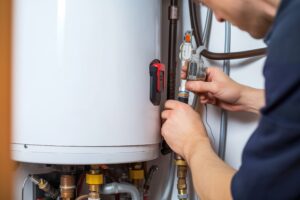
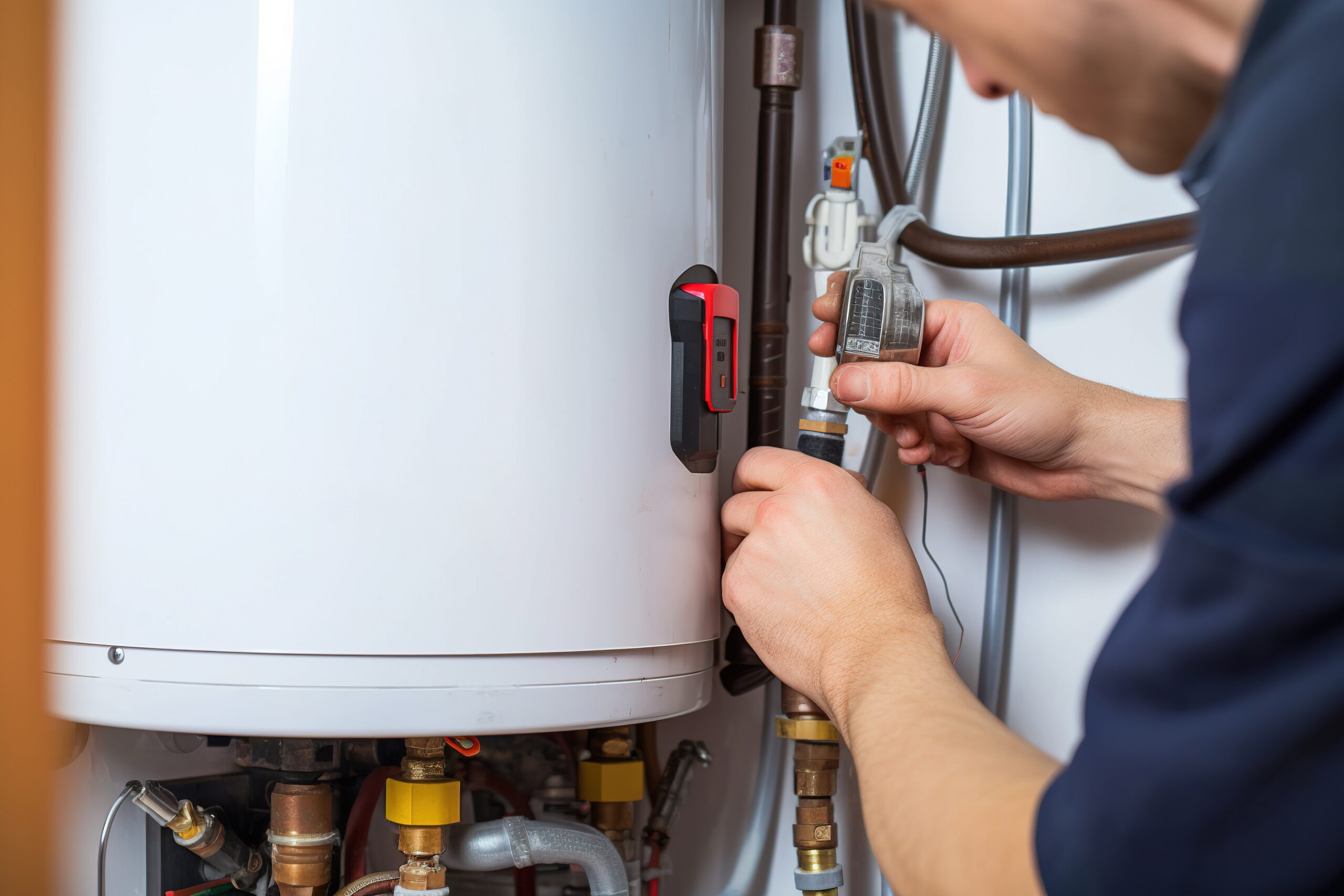
We provide clear, practical inspections: physical tank check, anode rod testing, pressure relief evaluation, element and thermostat testing, and water quality assessment for scale. If repair is viable we’ll give a transparent estimate; if replacement is recommended we’ll outline options with warranties, energy-saving calculations, and installation timeline. Our Tampa technicians focus on fast response, fair pricing, and minimization of disruption—especially important after storms or during humid summer months.
If you’re in Tampa or anywhere in the greater Tampa Bay area and suspect trouble, call Hot Water Heroes Plumbing for a prompt assessment. We offer same-day service when possible, licensed and insured technicians, and straightforward pricing so you can decide with confidence.
Frequently Asked Questions
Q1: How long should a water heater last in Tampa?
A: Most traditional tank heaters last 8–12 years in Tampa; coastal exposure and hard water can shorten that life. Regular maintenance and anode rod checks extend service life.
Q2: Can I flush the tank myself to prevent failure?
A: Home flushing helps reduce sediment buildup, but in Tampa’s hard-water conditions it’s best done by a professional annually to avoid damaging valves or missing hidden corrosion.
Q3: Will a leak always mean replacement?
A: Not always. Small leaks at fittings or valves can often be repaired. A leak at the tank seam usually means the tank is failing and should be replaced.
Q4: How do storms affect my water heater?
A: Storms can cause power surges that damage electric elements and control boards; flooding can corrode external fittings. After significant storms, schedule an inspection in Tampa to catch hidden damage.
Q5: Are tankless systems better for Tampa homes?
A: Tankless units can save energy, but in Tampa they require careful corrosion protection and water treatment due to hard water and salt air. Upfront costs are higher but may pay off over time for the right household.
If you’ve spotted any of these signs in Tampa, don’t wait. Contact Hot Water Heroes Plumbing for a fast, licensed inspection and clear pricing—same-day service often available. Our local teams in Tampa and the greater Tampa Bay area prioritize quick response, honest estimates, and workmanship that stands up to Florida conditions.