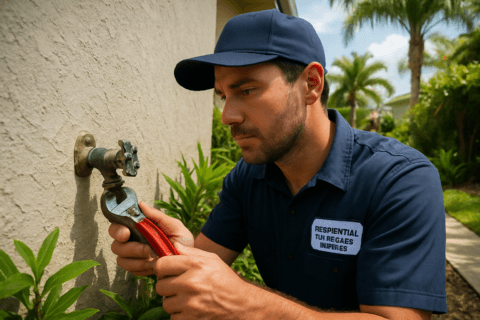
If you live in Tampa or anywhere in the greater Hillsborough County region, hidden leaks behind your drywall pose a real threat to your home’s structure and air quality. Frequent humidity, stormy summers, and aging pipes make local properties especially vulnerable. Homeowners often first notice subtle warning signs like a musty smell in the room or strange marks on the paint, not realizing a concealed plumbing problem lurks out of sight. Addressing signs of hidden water leaks behind your drywall early can mean the difference between a simple repair and a major restoration project.
- Quick Checklist
- Recognizing a Musty Smell in Your Room
- What Bubbling Paint on the Wall Means
- Mold Growth in Florida Homes: A Tampa Challenge
- Why Warped Baseboards Signal Trouble in Tampa
- Quick Checklist
- Frequently Asked Questions
Quick Checklist
- notice a musty smell in a room, especially after heavy rain
- see bubbling paint or soft spots along walls
- spot mold or mildew growth even in air-conditioned rooms
- find warped or separating baseboards near exterior walls
- hear dripping or trickling sounds inside the walls
Recognizing a Musty Smell in Your Room
One of the earliest and most common signs of hidden water leaks behind your drywall is a persistent musty smell in a certain room. In Tampa’s humid climate, it’s not unusual for moisture to build up, but if the odor doesn’t fade with normal cleaning or ventilation, it’s best not to dismiss it. That lingering smell often results from water seeping inside the wall cavity, encouraging mold or mildew to develop on unseen surfaces.
This problem is particularly persistent during Tampa’s rainy season, when wind-driven rain or storm runoff can push water into minute cracks or older, non-code-compliant plumbing. Older homes in South Tampa with cast iron or galvanized supply lines tend to suffer more frequent leaks, especially as pipes corrode from inside out. Plumbers working in the field report that when a room is dry and clean but the musty odor remains, water may be trapped behind drywall, slowly feeding mold colonies that thrive in Florida’s conditions.
Musty smells can also indicate that a slab leak has traveled up and wicked into the wall structure. If you recently noticed a distinct damp scent after a water bill spike or after a storm, your piping system may have developed a slow leak. For more details on slab leak warning signs in Tampa homes, check out this related blog post. Early detection is key; musty odors are rarely just a housekeeping problem in our local climate.
What Bubbling Paint on the Wall Means
Bubbling or peeling paint may seem harmless, but in the context of Tampa or Tampa Bay, it’s a classic indicator of excess moisture collecting behind your drywall. Water that escapes from leaking plumbing joints, fixtures, or pinhole pipe holes can saturate gypsum board, breaking down the bond between paint and wall. The result? Soft, raised bubbles or large patches of flaking paint that refuse to dry out even after patching.
Homeowners sometimes try to repaint or sand problem spots, but unless the source of the hidden water leak is fixed, the problem inevitably returns. Tampa’s municipal water, known for its high mineral content and frequent supply fluctuations during peak summer use, can actually accelerate corrosion in aging copper or galvanized lines. Areas prone to condensation, such as exterior-facing walls or poorly insulated plumbing runs, are especially vulnerable—water may enter the drywall from a completely different location due to capillary action.
In many Tampa homes built before the 1990s, calcium and magnesium scale from our hard water can slowly clog pipes, causing joint stress and eventual seepage. Repeated paint bubbling in the same spot suggests an ongoing leak that requires professional intervention. If you notice these symptoms, address them promptly to avoid mold contamination and further structural deterioration.
Mold Growth in Florida Homes: A Tampa Challenge
Mold growth is not just a cosmetic problem—it’s a health hazard and a clear signal of excess moisture in your walls. Florida’s year-round humidity, combined with frequent summer storms and warm temperatures, creates a nearly ideal environment for mold and mildew colonies to gain a foothold. When hidden leaks develop behind drywall, the dark, damp space becomes a breeding ground for spores that are easily spread through your HVAC system.
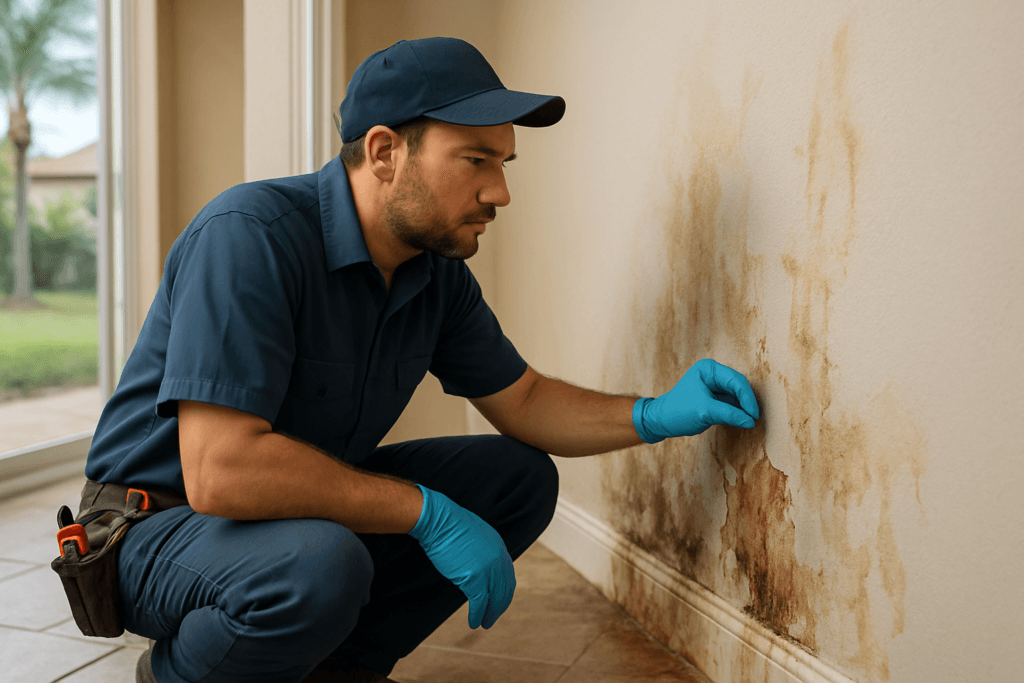
Mold growth in Tampa homes can often be spotted as dark streaks, greenish patches, or fuzzy white blooms along the base of walls, just above baseboards, or in corners that seem otherwise clean. If you see visible mildew or detect the earthy smell associated with mold, don’t delay your response. Sensitive individuals and children are especially susceptible to respiratory irritation from airborne spores, which can spread quickly in centrally air-conditioned Florida homes.
One important detail Florida plumbers often note: a wall that feels cool to the touch or appears slightly discolored can signal mold growth before you spot patches. Homeowners sometimes find that even regular cleaning and dehumidification cannot control recurring mold spots if a leak remains hidden. It’s vital to address the plumbing source, not just clean surfaces. For in-depth water quality information, refer to EPA drinking water guidance.
Why Warped Baseboards Signal Trouble in Tampa
Warped, lifting, or separated baseboards are another unmistakable clue that water is intruding where it shouldn’t. In Tampa’s older homes and coastal areas, seasonal storms and heavy rain can exacerbate hidden leaks, causing water to pool at the base of walls. Over time, this moisture wicks into the wood, causing baseboards to swell, distort, or loosen their adhesive grip. While mild warping can occur from typical floor cleaning, persistent changes—especially when accompanied by floor buckling or staining—indicate a bigger problem underneath.
Technicians frequently point out that warped baseboards, especially where the wall feels slightly soft or “spongy” above the wood trim, are almost always due to chronic leaks behind the drywall. The culprit may be anything from a slow-dripping supply line to a failed washing machine hose, or even water backing up during storms. Tampa’s hard water can also weaken joints if calcium deposits crack seals, accelerating water infiltration. Baseboard damage often escalates quickly, unnoticed until the floor covering itself shows signs of swelling or mold growth.
Repairing warped baseboards may temporarily improve appearance, but true resolution requires resolving the hidden leak and checking for possible mold in the wall cavity. If you spot these signs, consider a professional inspection and expert diagnosis before replacing trim or flooring materials.
Quick Checklist
- notice a musty smell in a room, especially after heavy rain
- see bubbling paint or soft spots along walls
- spot mold or mildew growth even in air-conditioned rooms
- find warped or separating baseboards near exterior walls
- hear dripping or trickling sounds inside the walls
If you recognize any of these warning signs in your Tampa or Tampa Bay home, don’t wait for further damage. Addressing water leaks behind your drywall as soon as possible not only saves you money but also protects your family from health risks and your property from costly repairs. Hot Water Heroes Plumbing’s local team is experienced with the unique environmental and code requirements of Hillsborough County and can quickly pinpoint and remedy hidden leaks before they worsen. Reach out to our professional leak repair specialists for a prompt, affordable solution tailored to Tampa’s climate and construction.
Frequently Asked Questions
What causes hidden water leaks behind drywall in Tampa homes?
Hidden leaks most often result from deteriorating supply lines, corroded joints, or faulty fittings. Tampa’s high humidity, hard water, and aging infrastructure increase risk, especially in homes built before the 1990s. Storm runoff or poor caulking can also allow water intrusion, accelerating interior leaks.
How can I tell if bubbling paint is caused by a leak or just humidity?
If bubbling or peeling paint returns after repainting, or if it’s localized in one area, it’s usually a hidden leak. General indoor humidity tends to cause widespread dampness, while water leaks create specific zones of damage that grow worse over time.
Are there health risks from mold growth behind walls?
Mold growing behind drywall can release spores that aggravate allergies and respiratory issues, particularly for children and the elderly. Prolonged exposure may also contribute to asthma or chronic sinus problems. Immediate action is needed to avoid lasting health impacts.
Is professional leak detection necessary for small leaks?
Small leaks can cause significant structural and health problems over time, even if damage appears minor. Professional leak detection in Tampa uses moisture meters and thermal imaging to find the true source, minimizing unnecessary wall removal and repair costs.
Should I repair or replace affected drywall and baseboards after a leak?
If water damage is limited and mold hasn’t spread, targeted repairs may be possible. However, in cases of widespread damage or long-term leaks, replacing drywall and trim is recommended to prevent future mold and structural issues. Local plumbers can advise on the safest, code-compliant solution.