Corrosion in copper pipes causes significant headaches for Wesley Chapel homeowners across the Tampa Bay region. While copper is celebrated for its durability, Florida’s unique water chemistry and environmental factors often accelerate pipe degradation. If you’re noticing frequent pinhole leaks, staining, or low water pressure in your Hillsborough County home, understanding the science behind pipe corrosion can save you from extensive damage and unexpected water bills.
- The Science of Corrosion in Copper Pipes
- Why Pitting Corrosion Strikes Florida Homes
- Florida Water Chemistry and Environmental Factors
- How to Prevent Copper Pipe Corrosion and Leaks
- Quick Checklist
- Frequently Asked Questions
The Science of Corrosion in Copper Pipes
Corrosion occurs when metal reacts with elements like oxygen, minerals, or chemicals in water. In copper pipes, this is especially problematic in Florida homes where varied chemistry can trigger electrochemical reactions. Corrosion in copper pipes causes metal atoms to deteriorate and leave thin spots or pinholes behind.
When the interior of your pipes is exposed to high chloride content or fluctuating pH levels, the electrochemical balance breaks down. Even tiny inconsistencies in pipe manufacturing make certain spots more vulnerable. Metal ions exchange with dissolved oxygen or chlorine in the water, gradually causing damage from the inside out.
Understanding this process highlights why pitting corrosion—the rapid, localized removal of copper—can occur deep within your plumbing long before exterior signs emerge. Over time, these microscopic reactions will spread, often leading to sudden leaks that can cause significant water damage throughout Tampa Bay and Wesley Chapel homes.
Why Pitting Corrosion Strikes Florida Homes
Pitting corrosion is a frequent concern for Tampa area homeowners and one of the top corrosion in copper pipes causes in Florida homes. In areas like Wesley Chapel, pitting occurs when aggressive ions in the local water supply attack small imperfections inside the copper tubing. These spot-specific breakdowns create tiny cavities that rapidly eat through the pipe wall, ultimately leading to pinhole leaks.
Florida’s municipal water systems, including those in Tampa and Wesley Chapel, often blend groundwater with surface water. This mix can contain variable levels of chlorine, dissolved oxygen, and minerals. When the protective film that naturally develops on new copper is disrupted—sometimes by turbulence, sediment, or stray electrical currents—the underlying metal becomes exposed to attack. Many plumbers report seeing more pinhole leak copper issues in older neighborhoods, especially those with plumbing installed prior to the 1990s building code upgrades.
Experience shows that even new copper pipes may be susceptible under the right conditions. For example, a seasoned field technician might note how coastal salt air, carried on breezes even several miles inland from Tampa Bay, increases the frequency of pitting corrosion in exposed pipes, particularly under homes without proper vapor barriers. This environmental impact sets Florida apart from drier or less coastal regions.
Florida Water Chemistry and Environmental Factors
The chemistry of Florida water is shaped by mineral-rich aquifers, warm climate, and proximity to the Gulf. Hillsborough County and the greater Tampa Bay area routinely face higher levels of calcium, magnesium, and chlorides compared to much of the country. These minerals not only contribute to scale but also catalyze corrosion in copper pipes.
In Wesley Chapel, seasonal storms and heavy rains can introduce more organic material and sediment into the municipal supply. Sediment may abrade pipe interiors, while fluctuating water temperatures cause expansion and contraction of the metal, weakening joints and seams. On top of that, humidity and coastal salt exposure further accelerate metal breakdown both inside and outside the pipe.
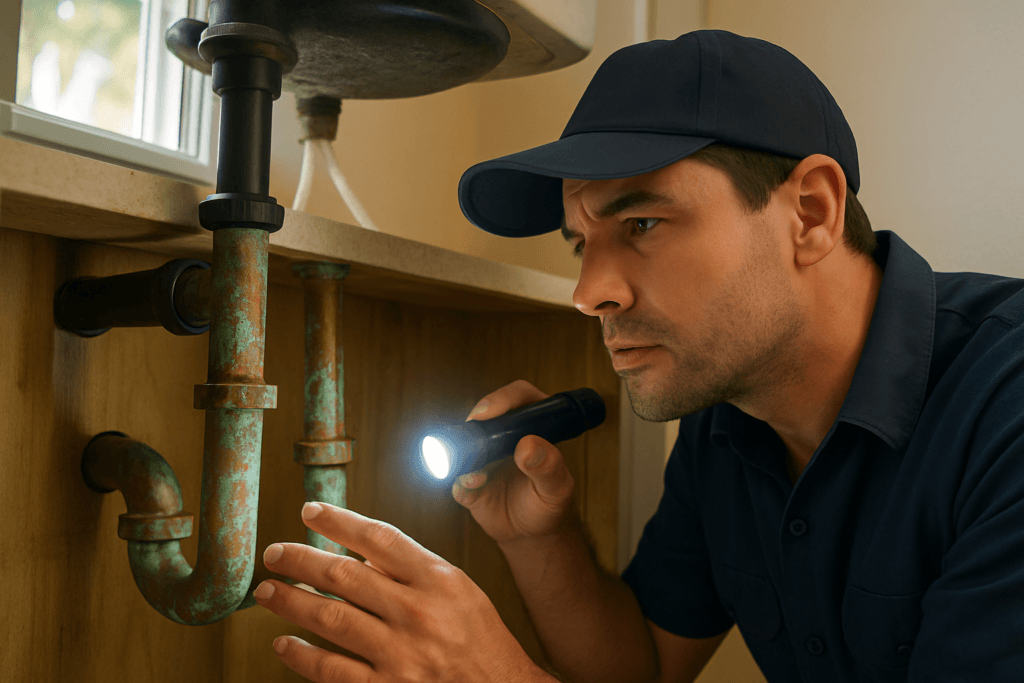
Tampa’s water treatment processes add chlorine and sometimes ammonia for disinfection. While necessary for safety, these chemicals can disrupt the pipe’s passivating film, promoting pitting corrosion in vulnerable areas. Combined with Florida’s high humidity, copper pipes in attics, crawlspaces, or unconditioned areas may corrode more quickly than expected. One plumber in Tampa recalls seeing greenish-blue stains on concrete slabs—telltale signs of copper corrosion that most homeowners overlook until a pinhole leak finally appears.
How to Prevent Copper Pipe Corrosion and Leaks
Preventing corrosion in copper pipes within your Wesley Chapel home starts with monitoring water chemistry and remaining vigilant for early warning signs. Annual inspections by plumbing professionals can reveal abnormal mineral buildup, subtle pipe discoloration, or tiny wet spots on walls and floors—often the first physical evidence of pinhole leak copper damage.
If you notice a sudden drop in water pressure or find small bluish-green stains under fixtures, the best long-term strategy may involve proactive house repiping. While this sounds extensive, a full repipe is often more cost-effective than repeated spot repairs, particularly in areas hit by chronic pitting corrosion. Replacement using corrosion-resistant PEX or CPVC materials, now supported by updated Florida plumbing codes, can provide decades of reliable service and peace of mind.
Some homeowners in Tampa and greater Hillsborough County may benefit from water treatment solutions such as whole-house filters or softeners to stabilize pH and reduce mineral content. Since hard water is common in Florida, decreasing scale and sediment can prolong the life of new plumbing as well. If you experience a water pipe burst or significant leak, visit this Tampa water pipe burst response guide to learn important next steps before calling a professional. For urgent repairs or to discuss a possible repipe, explore our water leak repair services serving Wesley Chapel and the entire metro area.
Quick Checklist
- look for bluish-green corrosion on pipes and fittings
- check for unexplained drops in water pressure
- inspect for pinhole leaks or damp spots under sinks
- test your water for high chloride and mineral content annually
- schedule yearly professional plumbing inspections
Frequently Asked Questions
How Can I Tell If My Copper Pipes Are Corroding?
you may notice green or blue stains, low water pressure, or unexplained wet areas near plumbing fixtures. sometimes, persistent musty odors or sudden increases in your water bill also indicate hidden pinhole leaks.
What Causes More Corrosion—Hard Water Or Chlorine?
both hard water minerals and chlorine contribute to corrosion in copper pipes, though in tampa bay conditions, fluctuating chlorine levels are a primary cause of pitting. high calcium can also cause scale, leading to additional stress on pipes.
Is House Repiping The Only Solution For Pinhole Leaks?
if you experience widespread pinhole leaks, especially in homes built before the 1990s, repiping is often the most reliable fix. isolated leaks may sometimes be repaired, but chronic pitting usually signals more extensive damage inside the pipes.
Can Tampa’S Humidity And Salt Air Affect Indoor Pipes?
yes, tampa’s coastal humidity and salt-laden air can accelerate the breakdown of both exposed and concealed copper pipes. even indoor pipes may be affected if your home has crawlspaces, attic runs, or under-slab plumbing.
Where Can I Learn More About Water Quality And Safety?
for information on safe drinking water standards and local water quality, check out the epa drinking water guidance, which offers resources for florida homeowners.