
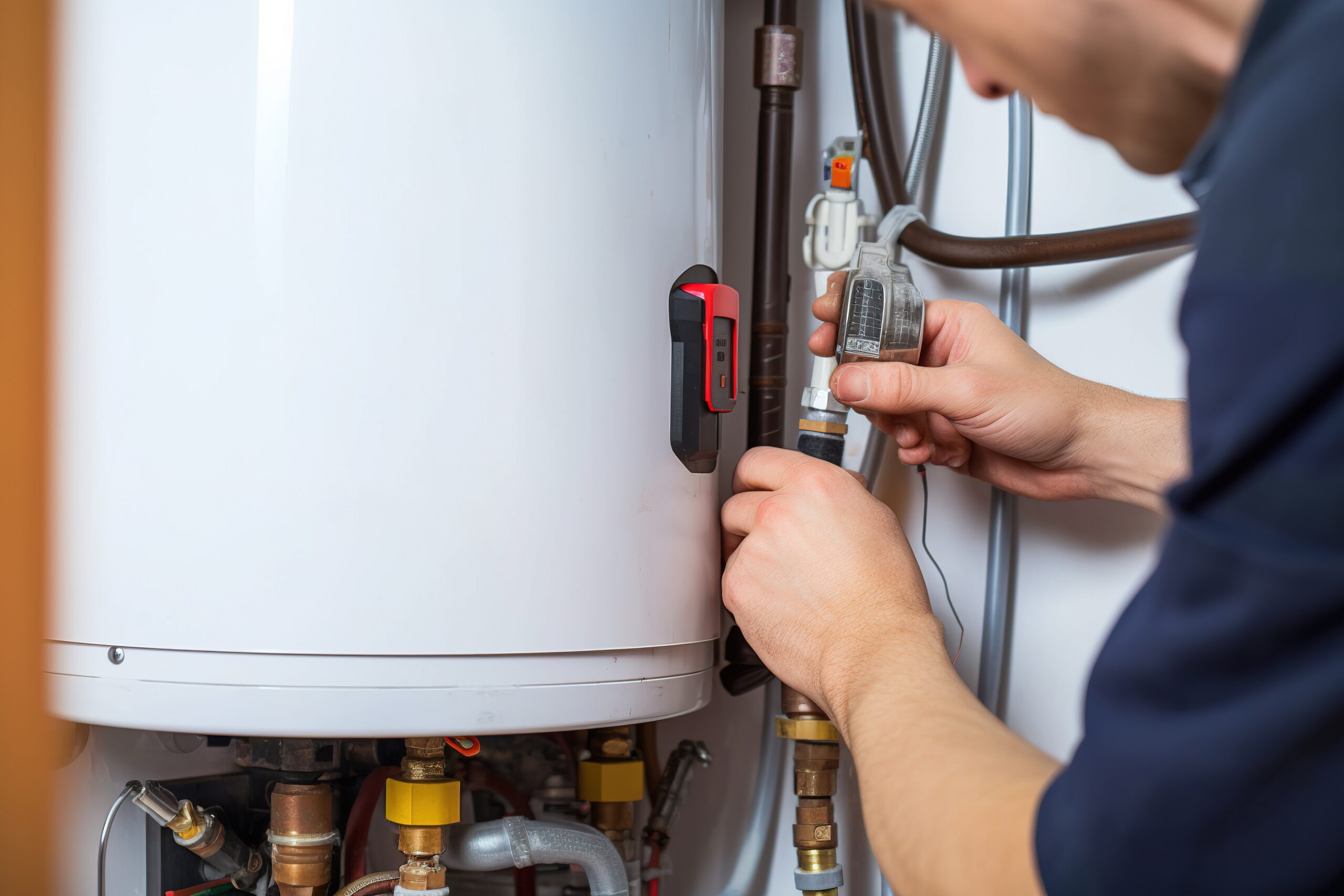
why does my water heater run out of hot water quickly
Why does my water heater run out of hot water quickly? If you live in Tampa and you’re noticing showers that go cold faster than they used to, the answer often comes down to capacity and local conditions. This guide from Hot Water Heroes Plumbing explains the mechanics behind your tank or tankless unit, Florida-specific factors that accelerate problems, realistic Tampa-area cost expectations, and when to call a licensed, insured technician.
Common Causes: Why This Happens
Before we talk numbers, here are the usual suspects. In most Tampa homes a rapid loss of hot water is caused by a mix of capacity limits and system faults. Our technicians evaluate these quickly to identify whether you’re facing a simple fix or a replacement scenario.
- Insufficient tank capacity for household demand (too small a tank or too many simultaneous uses)
- Sediment build-up in the bottom of the tank reducing usable volume and heating efficiency
- Failing heating elements or thermostats on electric heaters, or a malfunctioning gas valve/pilot on gas units
- Dip tube damage that allows cold inlet water to mix at the top of the tank
- Cross-connections, such as a recirculation line or plumbing error pulling hot water away
Capacity, Usage Patterns, and Florida Conditions
Capacity is the most common—and the most straightforward—reason for hot water shortages in Tampa. Tanks are rated by first-hour delivery (FHR) and recovery rate. A 40-gallon tank can serve a small household with staggered use, but if you run a dishwasher, washing machine, and shower within 15–20 minutes, the supply can be exhausted quickly.
Florida-specific factors make this worse here than in many inland markets. Hard water in parts of Tampa and Hillsborough County leads to faster sediment buildup, reducing effective tank volume and insulating heating elements. Coastal salt air increases corrosion risk on external components, while high humidity and frequent summer showers increase overall hot water demand. After storms or power surges, older units can develop electrical or control failures that reduce heating capacity. Compared to national averages, Tampa homeowners may see a shorter useful lifespan on exposed components unless corrosion and mineral deposits are managed.
For tankless systems, the problem is usually flow rate: multiple high-flow fixtures running at once can exceed the unit’s maximum capacity, causing a temperature drop. In Tampa’s humid summer months, warm inlet water helps tankless efficiency, but salt and scale can reduce heat exchange performance faster than the national average.
When to Repair vs Replace
Deciding whether to repair or replace depends on age, condition, and cost. Typical local guidance we give Tampa homeowners:
– Repair if the unit is under 8 years with a single clear failing component (element, thermostat, dip tube). Local repair costs typically range from $150–$600 depending on parts and access.
– Consider replacement if the tank is older than 10–12 years, corrosion is evident, multiple components are failing, or you want higher capacity/efficiency. In the Tampa area a standard tank water heater replacement, including installation, usually runs $900–$2,500 depending on size and fuel type. Tankless systems generally cost $2,000–$4,500 installed, but they can lower energy use and deliver effectively endless hot water for suitable households.
Because coastal exposure and hard water are common here, we sometimes recommend upgrading to corrosion-resistant models, sacrificial anode improvements, or adding a water softening pre-treatment to extend service life—these upfront costs often save money over repeated repairs.
How Hot Water Heroes Plumbing Diagnoses the Problem
When you call Hot Water Heroes Plumbing in Tampa we start with a capacity and usage interview, then a hands-on inspection: measuring tank temperatures, testing elements or gas controls, checking the dip tube, and looking for sediment or corrosion. For tankless units we test flow rates and scale on the heat exchanger. We’ll give you a clear diagnosis and options, including estimated local costs and timelines.
For a fast, accurate evaluation, use our service page and explain your symptoms—search or click through the link to why does my water heater run out of hot water quickly to schedule an inspection. Our licensed and insured technicians provide same-day service when available, clear pricing up front, and a written estimate before any work begins.
Quick Checklist
- Note how long hot water lasts and what appliances run simultaneously
- Look for rust or leaks around the tank
- Check for recent power outages or pilot issues after storms
- Listen for popping sounds—sign of sediment
- Record the unit’s age and model number
Next Steps and Local Cost Expectations
If your hot water runs out fast in Florida, the first step is an inspection focused on capacity and sediment. In Tampa many fixes are straightforward: flushing the tank to remove sediment, replacing a dip tube, or swapping a failed heating element. Those repairs are typically on the lower end of local cost ranges and can restore usable capacity quickly. When replacement is the right call, we’ll present size options calibrated to your household demand so you don’t replace a 40-gallon tank with another undersized model.
Hot Water Heroes Plumbing takes pride in transparent, timely work in Tampa and surrounding Tampa Bay communities. We’re licensed and insured, offer same-day service where possible, and provide clear pricing so you can decide with confidence. If your showers are turning cold too soon, don’t wait—calling early can often avoid emergency replacements after a bigger failure.
For fast, local help from technicians who understand Tampa’s unique conditions—hard water, coastal corrosion, and storm-related problems—call Hot Water Heroes Plumbing today. We’ll diagnose whether capacity, sediment, or a failing component is to blame, provide clear pricing and same-day appointment options when available, and get your hot water back on schedule.
FAQs
Q: How long should a typical tank water heater last in Tampa? A: With average maintenance, 8–12 years is common in Tampa; coastal exposure and hard water can shorten that lifespan without corrosion protection or regular flushing.
Q: Will flushing the tank fix a short hot-water supply? A: Flushing often restores capacity lost to sediment and can be a low-cost fix, but it won’t help if the tank is undersized or the dip tube is broken.
Q: How do I know if my problem is capacity or a broken part? A: Capacity issues show predictable shortfalls during heavy use; failing parts cause sudden drops, inconsistent temperatures, or no heat. A technician can test elements, thermostats, and dip tubes to confirm.
Q: Are tankless heaters better for Tampa homes? A: Tankless can be a great fit if you need continuous hot water and have adequate gas/electrical capacity. They’re sensitive to scale, so anti-scale measures are recommended in hard-water areas around Tampa Bay.
Q: What should I expect to pay for a diagnostic visit in Tampa? A: Diagnostic fees vary; many Tampa companies apply a service fee that’s often credited toward repair. Expect $75–$150 for an inspection with troubleshooting, depending on time and travel.