Why is my water heater making popping noises
Why is my water heater making popping noises is one of the most common calls we get in Tampa. Those pops and crackles aren’t just annoying — they’re a clear sign something is happening inside the tank. In Florida’s hot, mineral-heavy environment, the noises often point to sediment buildup, but there are other causes we check before recommending repairs.
Why This Happens: Common Causes
Popping or rumbling typically comes from trapped water and sediment interacting with the heat source. In Tampa and across the Tampa Bay area we see these local contributors more often than national averages:
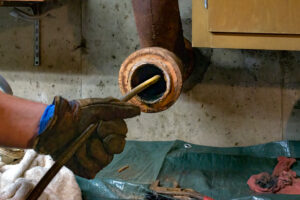
- Water heater sediment buildup: Tampa’s hard water deposits minerals that settle to the bottom of the tank and trap steam under them, creating popping or rumbling as pockets of steam escape.
- Scaling on heating elements: Electric elements coated with calcium heat unevenly and can make popping or sizzling noises.
- Burner or draft issues on gas models: Improper combustion or a blocked vent can cause irregular heating and noise.
- Aging tanks and corrosion: Older tanks with rust or weakened baffles transfer heat differently and often grow louder before failing.
- Florida-specific stressors: Coastal salt air, high humidity, frequent storms and power surges, and aging plumbing in Hillsborough County neighborhoods accelerate wear and sediment problems.
Diagnosing the Noise: What to Check
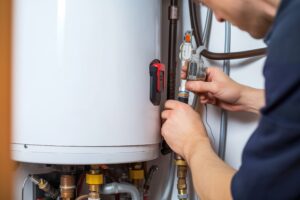
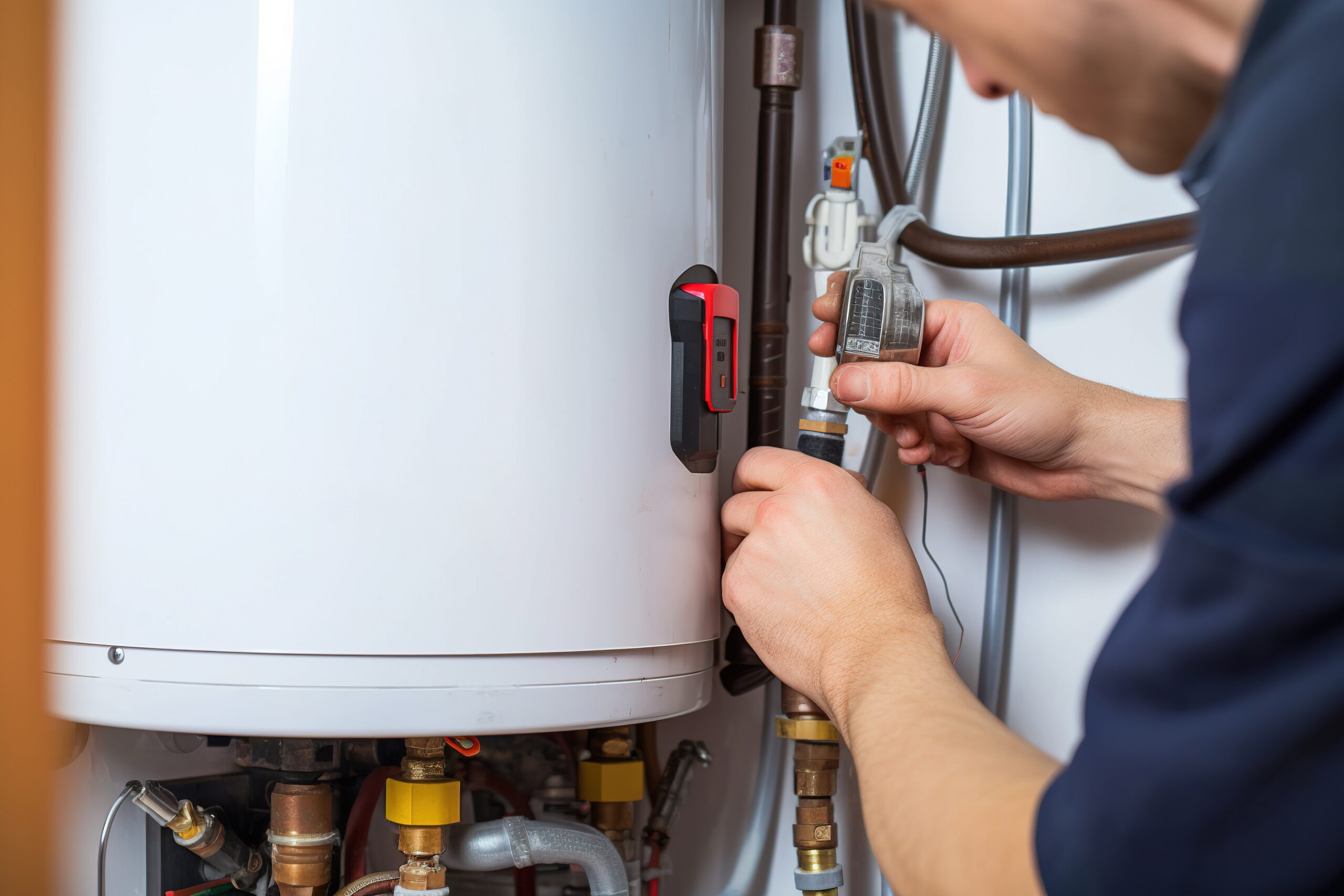
Start with a quick inspection: listen near the tank, note whether the noise happens when heating cycles start or while you draw hot water, and check water clarity at a hot tap. For Tampa homes, a cloudy or gritty hot-water flow strongly suggests mineral buildup. Professionals will also check the drain valve, anode rod condition, element resistance (for electric units), and burner operation (for gas units). A proper diagnosis separates a simple flush from the need for element replacement or a full tank swap.
Quick Checklist
- Is the noise continuous or only during heating cycles?
- Do you see discolored or gritty hot water?
- How old is the water heater (typical tanks last 8–12 years)?
- Any recent storms, power surges, or visible corrosion?
- Is the unit in a coastal location exposed to salt air?
When to Repair vs. Replace
Deciding repair versus replacement depends on age, severity, and local conditions. In Tampa, tanks older than 8–10 years with recurring sediment problems or corroded components are often more cost-effective to replace. Typical local cost expectations:
– Minor repairs (flush, replace drain valve, anode rod): $125–$350 depending on parts and access.
– Heating-element or burner repairs: $150–$650 depending on electric or gas models and labor.
– Full tank replacement: For a standard 40–50 gallon tank in Tampa expect $900–$2,200 installed. Tankless conversions typically start around $1,500 and can exceed $3,000 with labor and venting.
Those Tampa-range estimates reflect higher corrosion and mineral maintenance needs compared with many inland markets. We always factor in local install conditions — tight crawl spaces, existing plumbing quality, and coastal exposure — when quoting fixed pricing.
How We Fix Popping Noises
At Hot Water Heroes Plumbing we follow a step-by-step process: isolate the noise, test elements or burners, inspect for sediment and corrosion, and recommend the most durable solution for Tampa’s conditions. That may be a professional tank flush and new anode rod, replacing heating elements, or installing a new, more corrosion-resistant unit. If you want a quick read on the symptom, check our page on why is my water heater making popping noises for details about our Tampa repair services.
When to Call a Professional
Call a licensed, insured technician if you notice persistent popping, visible leaks, discolored water, lower hot-water capacity, or if the unit is older than eight years. In Tampa and surrounding Pinellas County communities, these issues often escalate faster because of hard water and coastal exposure. Trained plumbers can safely diagnose gas components, pressure systems, and electrical elements — tasks best left to pros to avoid hazards and costly mistakes.
Why Local Expertise Matters
Tampa’s water chemistry, humidity, and coastal salt air change how tanks age and fail. A one-size-fits-all national approach misses these nuances. Our techs account for local hardness levels, common plumbing configurations in Hillsborough County homes, and storm-related risks when making recommendations. That means clearer pricing, targeted fixes, and longer-lasting results for Tampa homeowners.
Call Hot Water Heroes Plumbing — Fast, Local Repairs
If you live in Tampa and are hearing popping from your water heater, call Hot Water Heroes Plumbing for a same-day diagnostic and clear repair estimate. Our licensed and insured technicians respond fast, offer transparent pricing up-front, and use repairs or replacements built for Florida conditions. Schedule a visit today to get hot water back reliably — we prioritize same-day service when possible to keep your household running smoothly.
FAQs
Q: How long will a professional flush take?
A: A standard tank flush typically takes 30–60 minutes for most Tampa homes, longer if heavy sediment requires repeated flushing.
Q: Can I flush the tank myself to stop the popping?
A: Home flushing can help short-term, but Tampa’s hard water often requires professional flushing and an anode rod check to prevent recurrence.
Q: Will a water softener prevent sediment buildup?
A: A whole-house softener reduces mineral scale but won’t remove existing sediment; it lowers future buildup and extends heater life in Tampa.
Q: What if the noise is on a gas water heater?
A: Gas units can pop from sediment or burner/draft issues. Because of combustion and venting, have a licensed technician inspect it in Tampa.
Q: Do you offer emergency or same-day service in Tampa?
A: Yes. Hot Water Heroes Plumbing provides same-day diagnostics and repairs when possible, with licensed, insured technicians and clear pricing.